
CROWN
Representation is not just about visibility, but how visibility is created.
Crown is a photographic series that brings visibility to the lived realities of people with multi-textured hair, challenges conventional beauty standards, and invites to rethink beauty, identity, and representation.
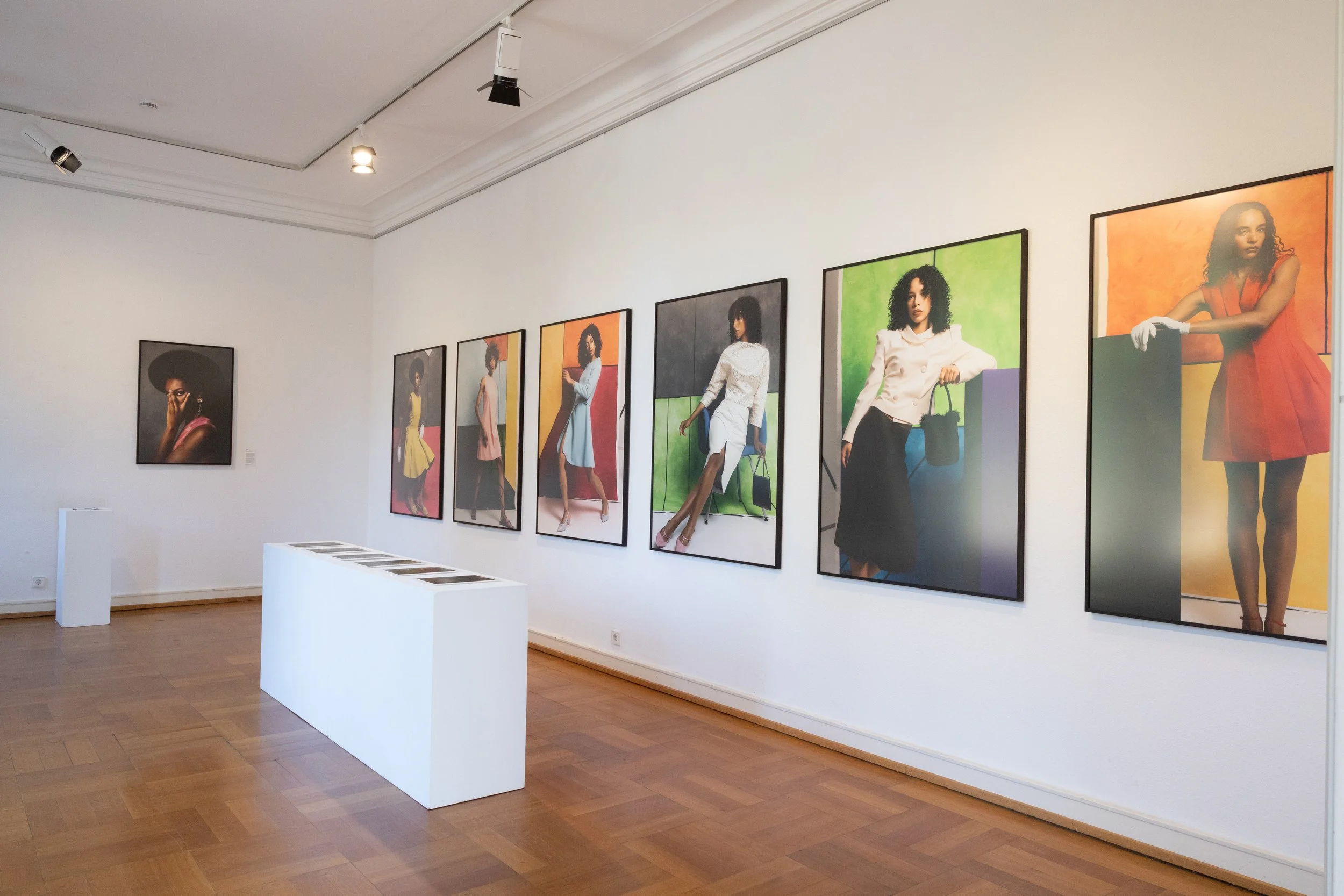
The Concept
Hair is never just hair.
Working as a fashion photographer, I have experienced that gladly productions increasingly aim for diverse casting, but that there still is a lack of hairstylists who are trained and confident in working with a wide range of curl and coil patterns. Models often arrive on set having had negative experiences with their hair being misunderstood, improperly handled or treated as a challenge rather than simply another hair texture.
Hair can be an expression of identity, heritage and belonging. Yet multi-textured hair has long been shaped by Eurocentric beauty standards: from ideas of “good” and “bad” hair to expectations of what is considered beautiful, professional or appropriate.
This raises a question that became central to Crown: Does representation begin with who we place in front of the camera, or already what’s happening behind the scenes?
Crown looks at hair as both a personal and political form of visibility.
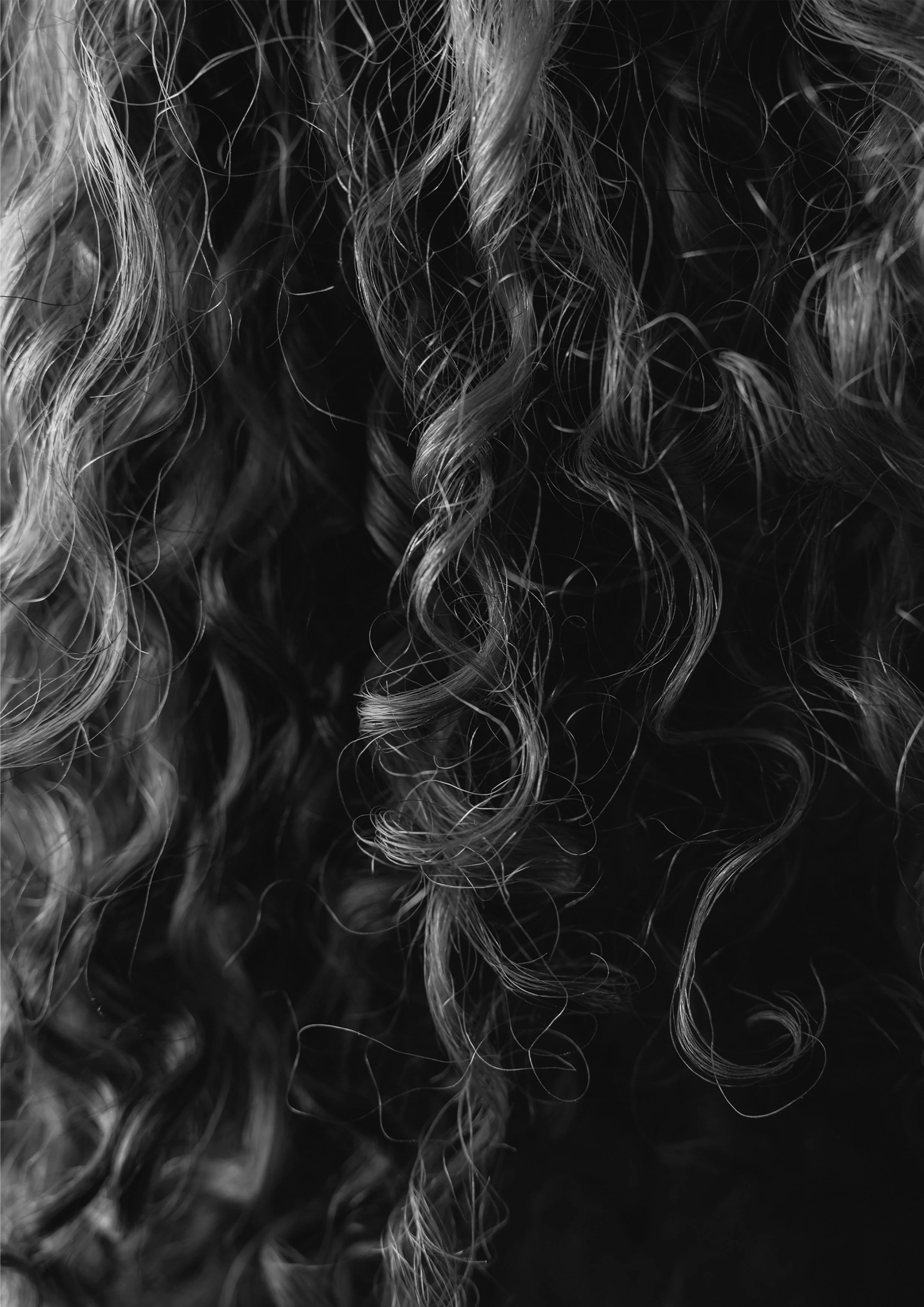
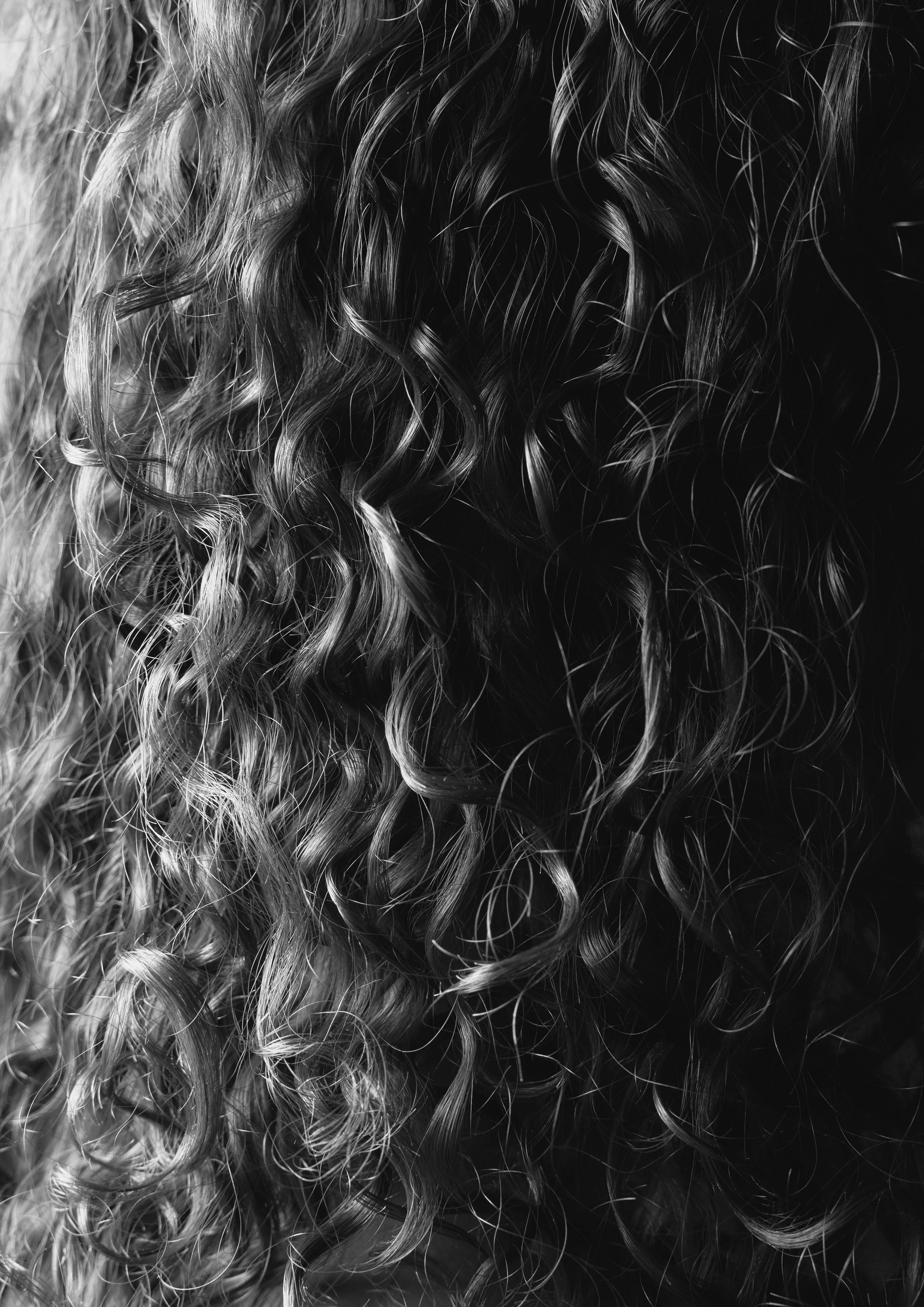
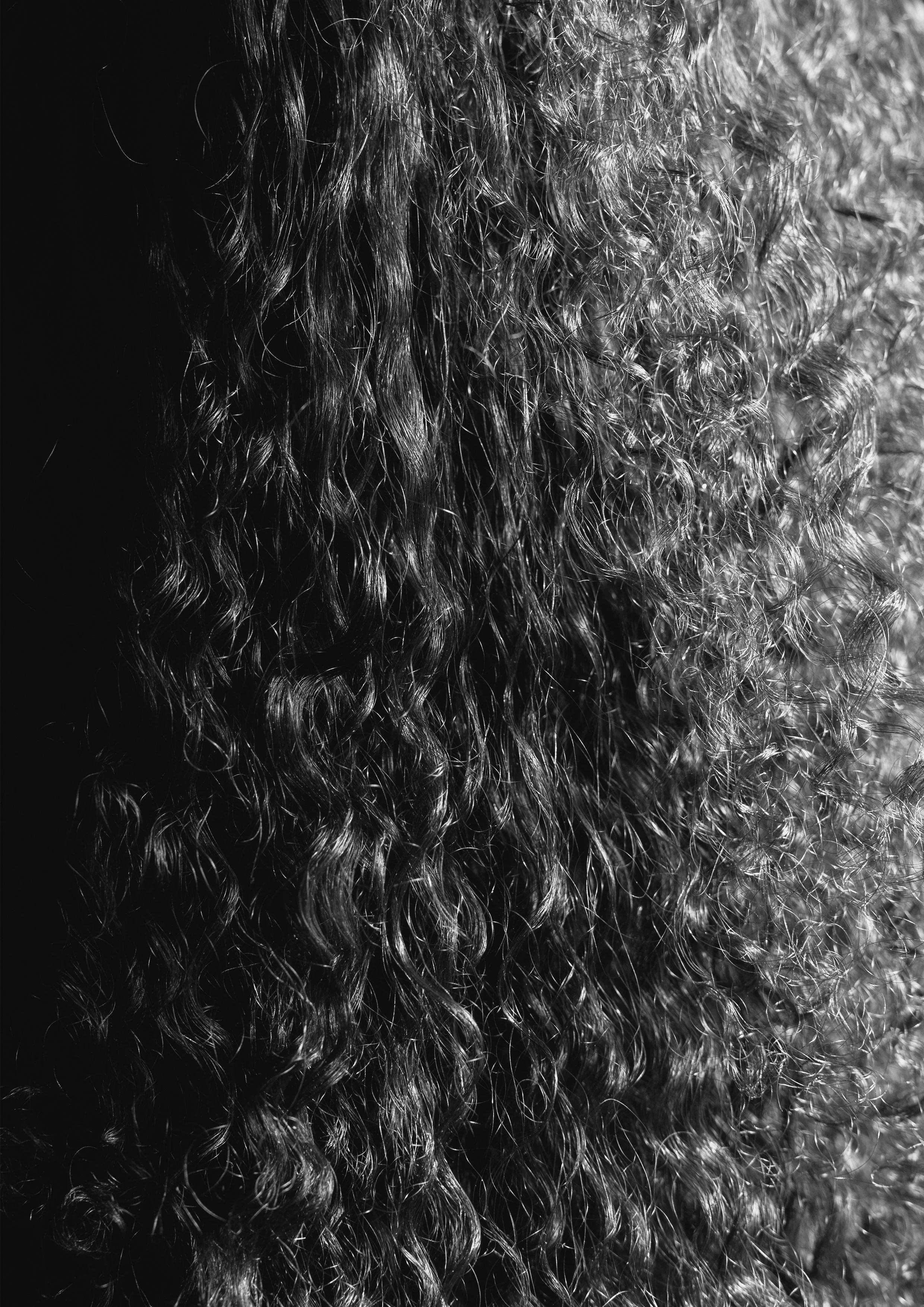
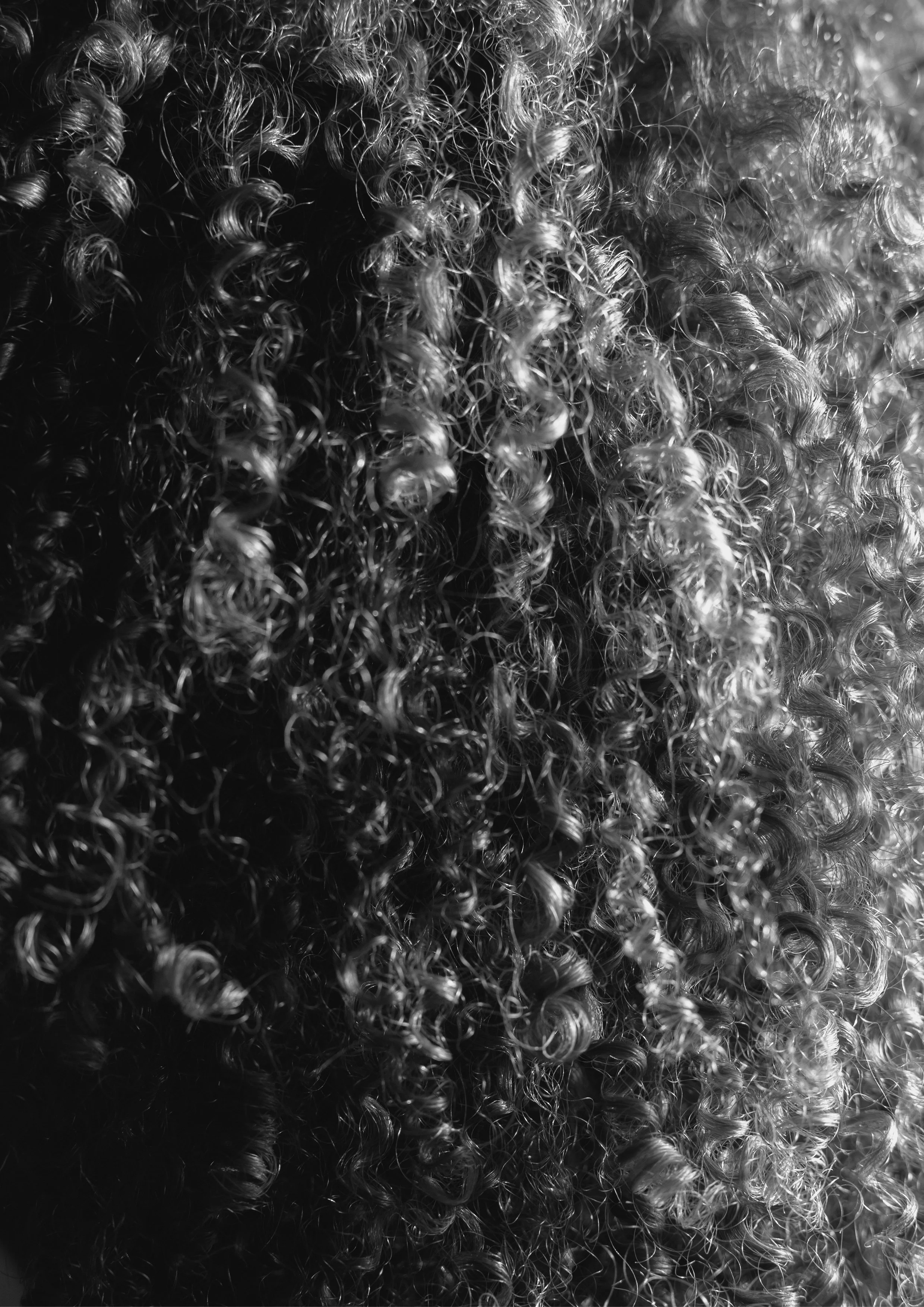
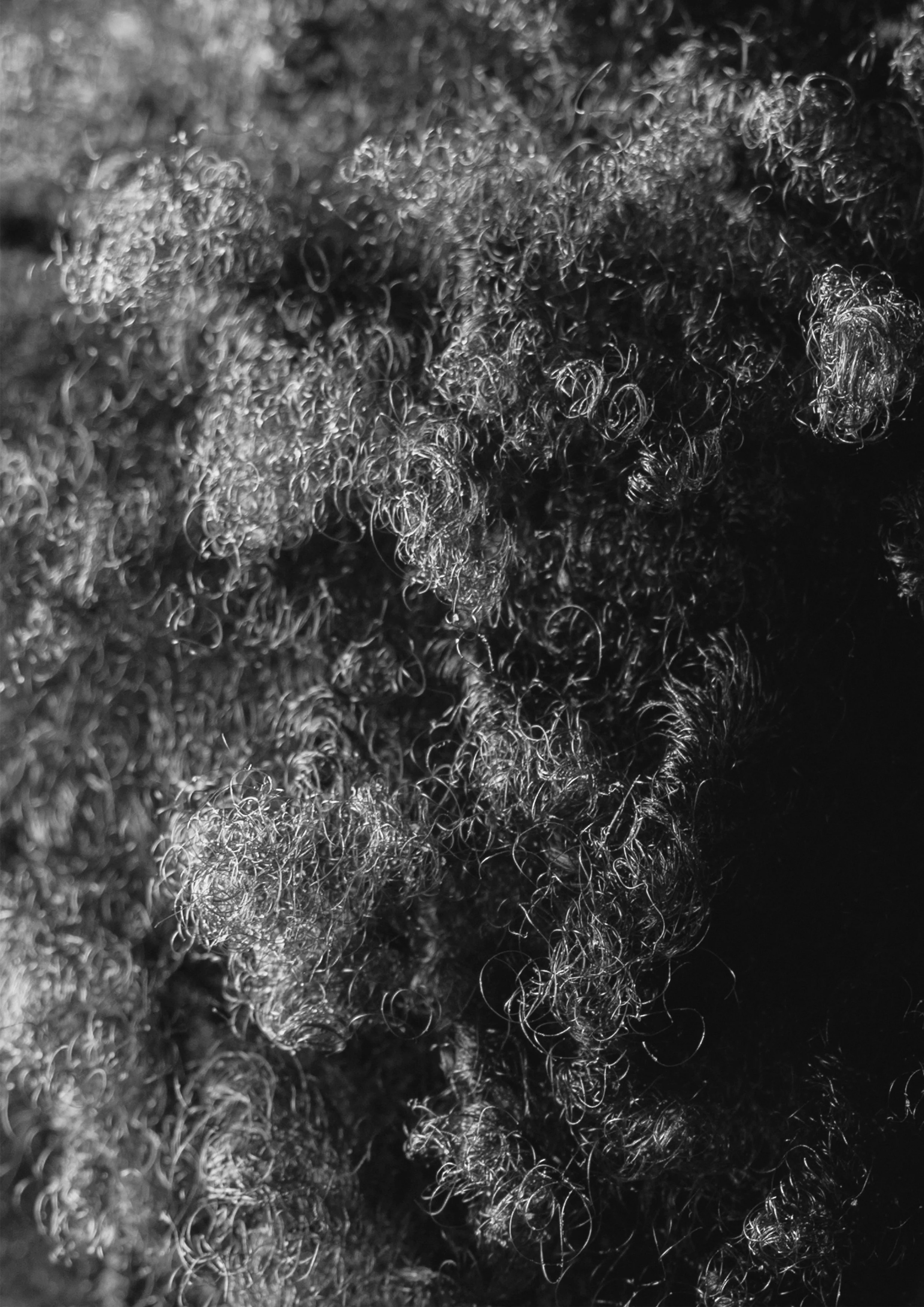
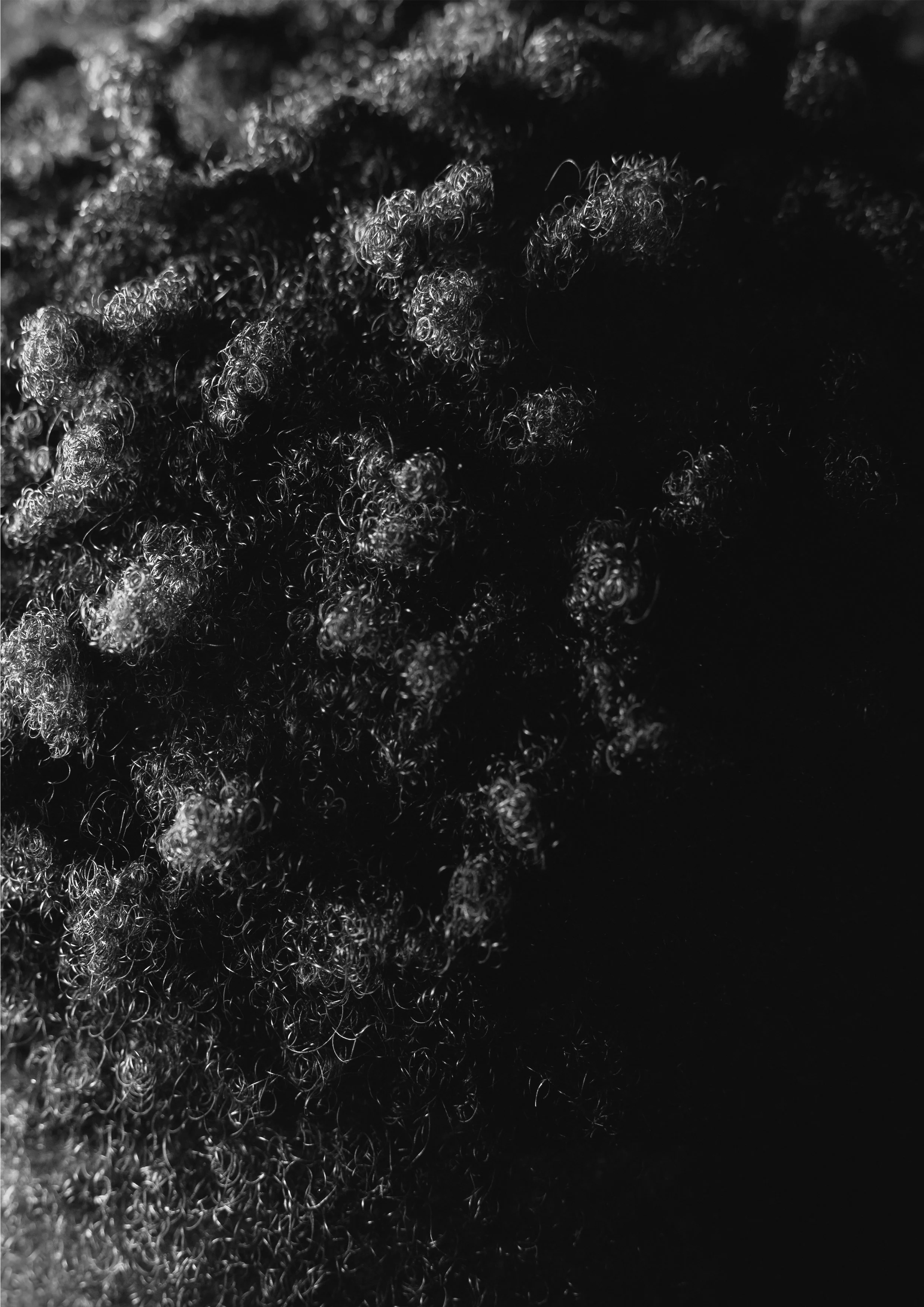
The series focuses on hair textures ranging from 3A to 4C, from loose curls to tightly coiled patterns.
The widely used André Walker Hair Typing System provides a vocabulary for identifying different textures and understanding their individual needs. At the same time, its classification raises questions about how we categorize hair and which textures have historically been treated as the norm.
“The beauty standards here in Germany are long, beautiful, straight hair. Of course, we internalize that, and because our hair wasn’t straight, we thought: Then we’ll just straighten it …”
– Selen E.
A history of visibility
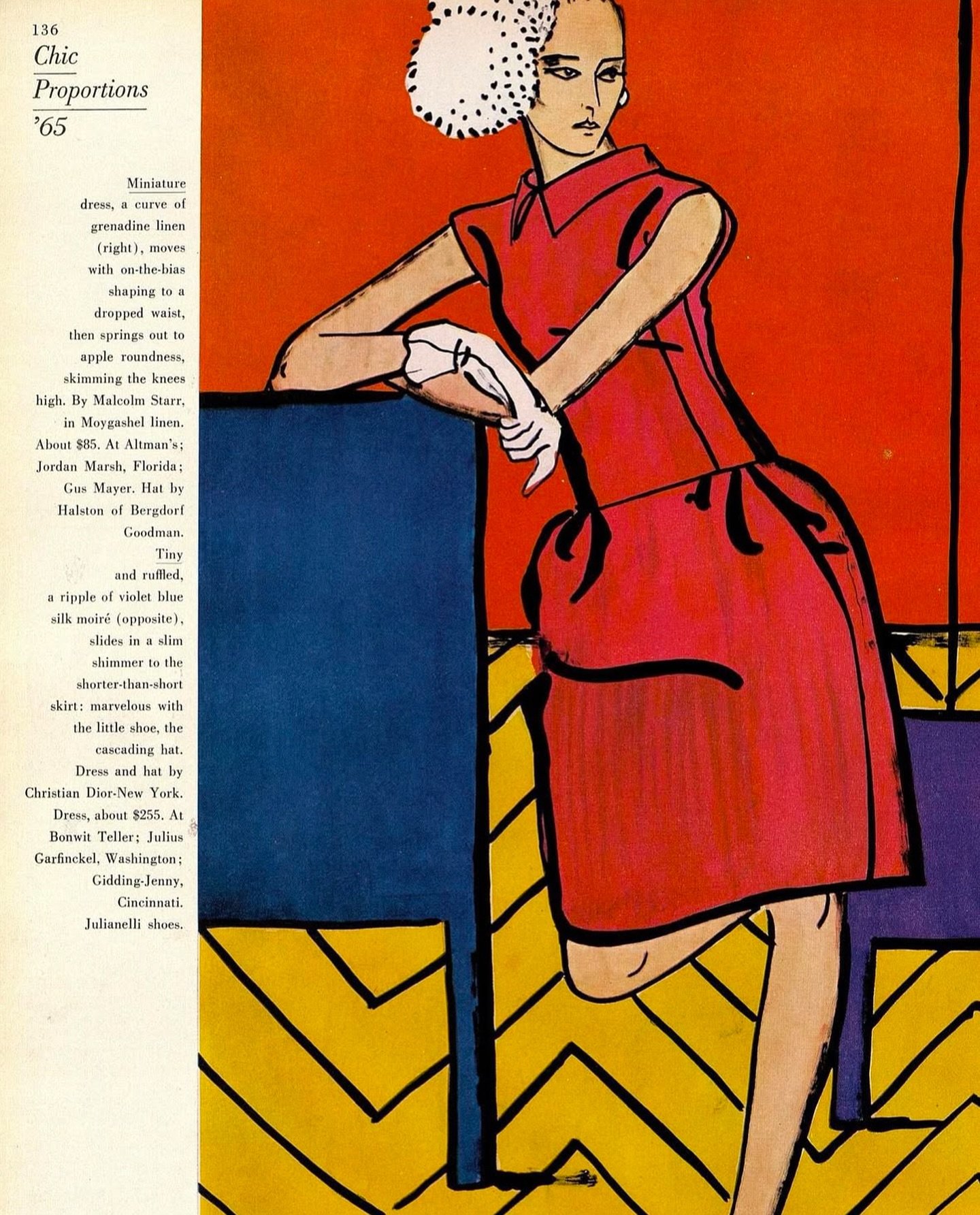
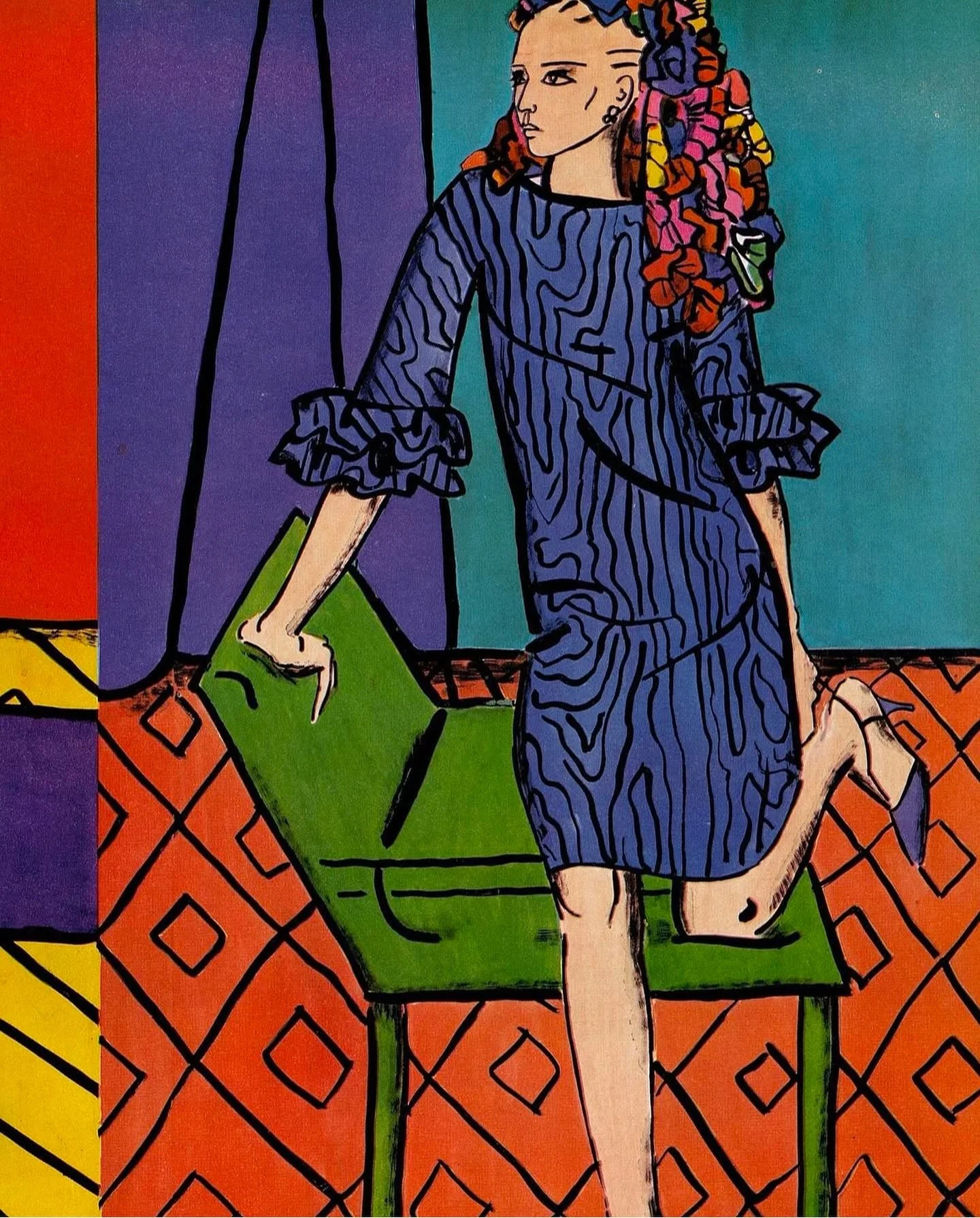
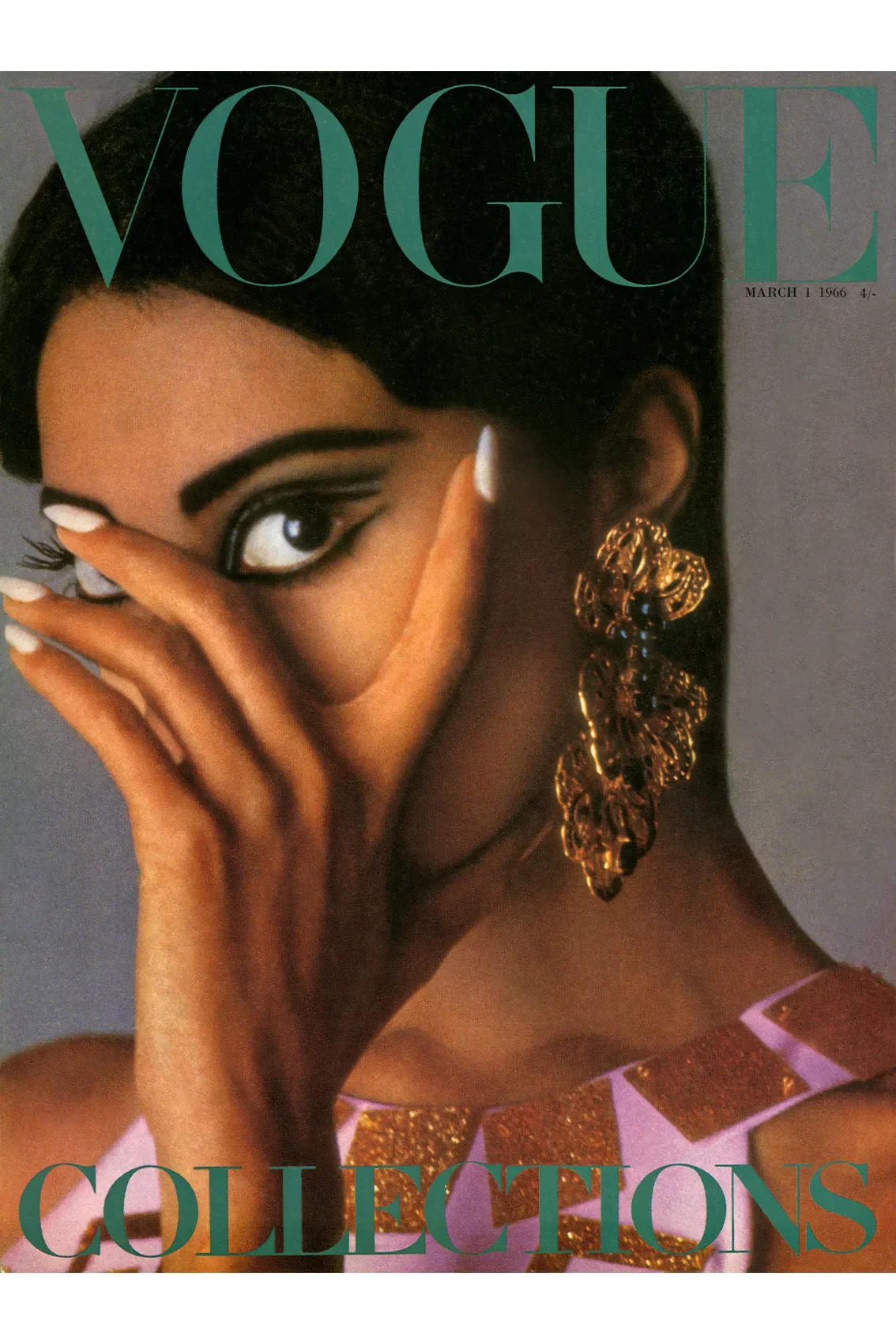
Researching BIPoC visibility within the history of fashion imagery I stumbled across Donyale Luna. In the mid-1960s she became the first BIPoC person ever to appear on the cover of an international high-fashion magazine. Yet this historic moment of visibility came with a contradiction: Luna was not presented through photography, but as an illustration that abstracted her identity and appearance.
At a time when dominant beauty standards didn’t include Black women, her presence marked both a breakthrough and a form of partial invisibility. This tension becomes the starting point for my own series and its central question.
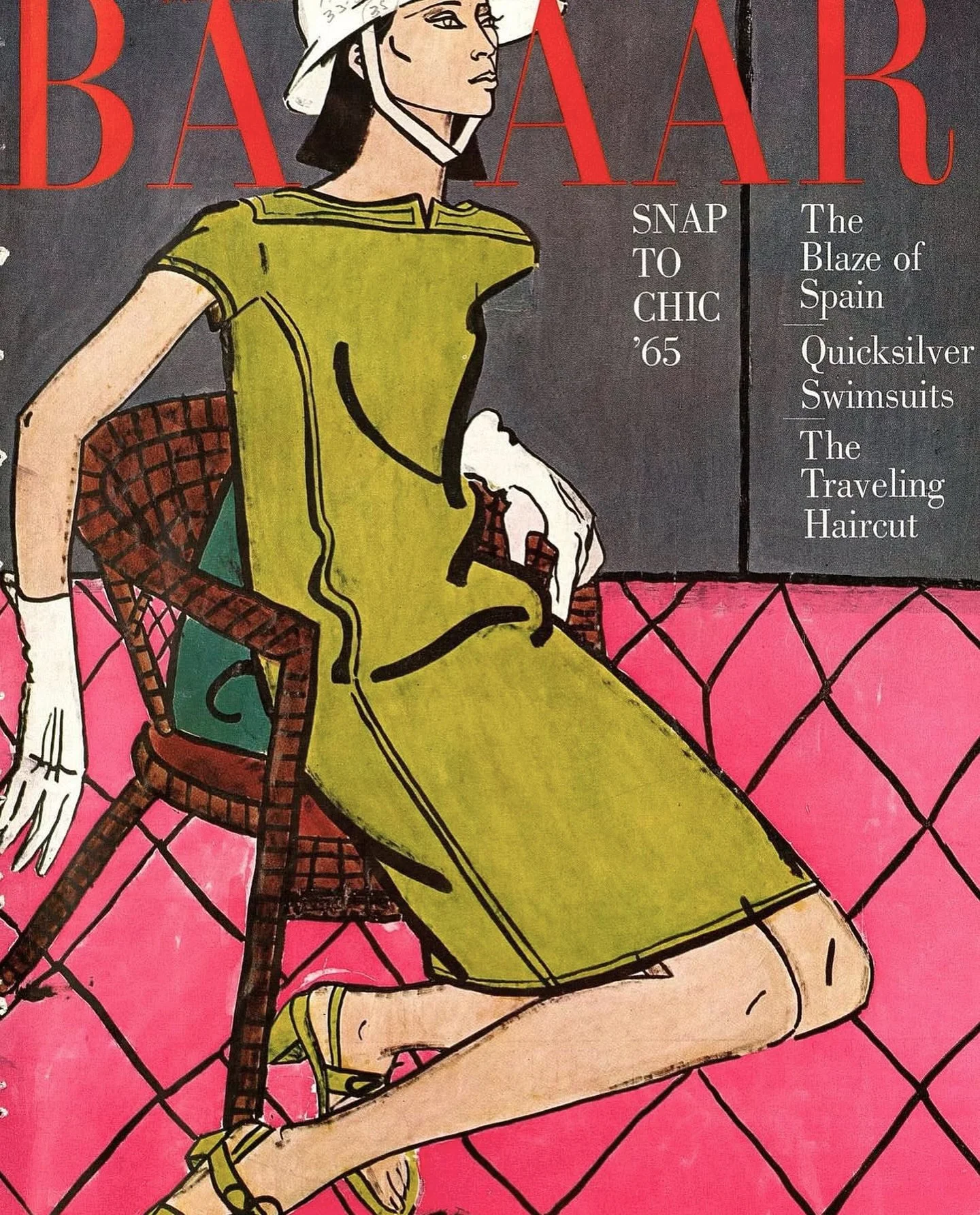
January 1965: Donyale Luna for Harper‘s Bazaar USA.
7 illustrations by Katharina Denzinger.
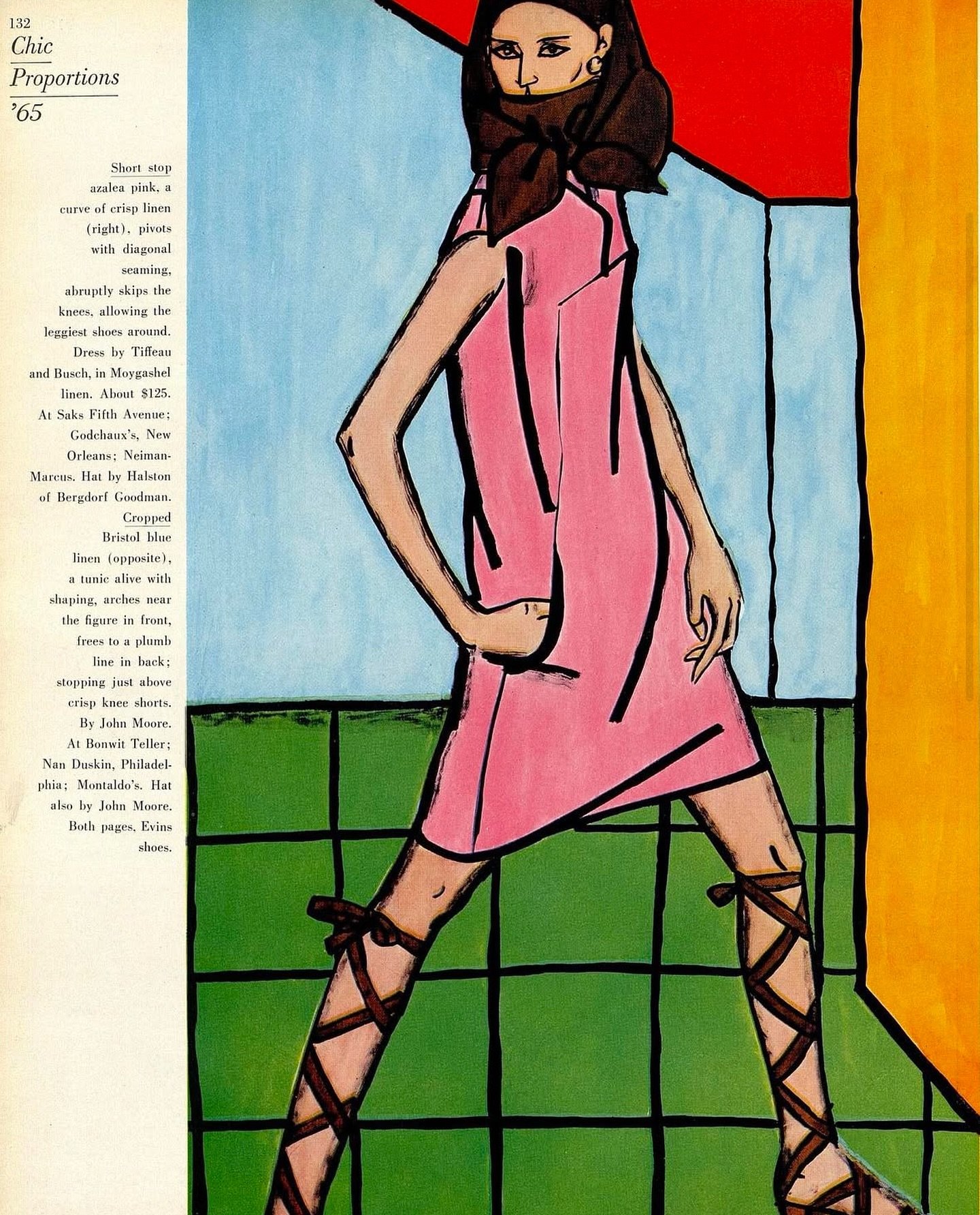
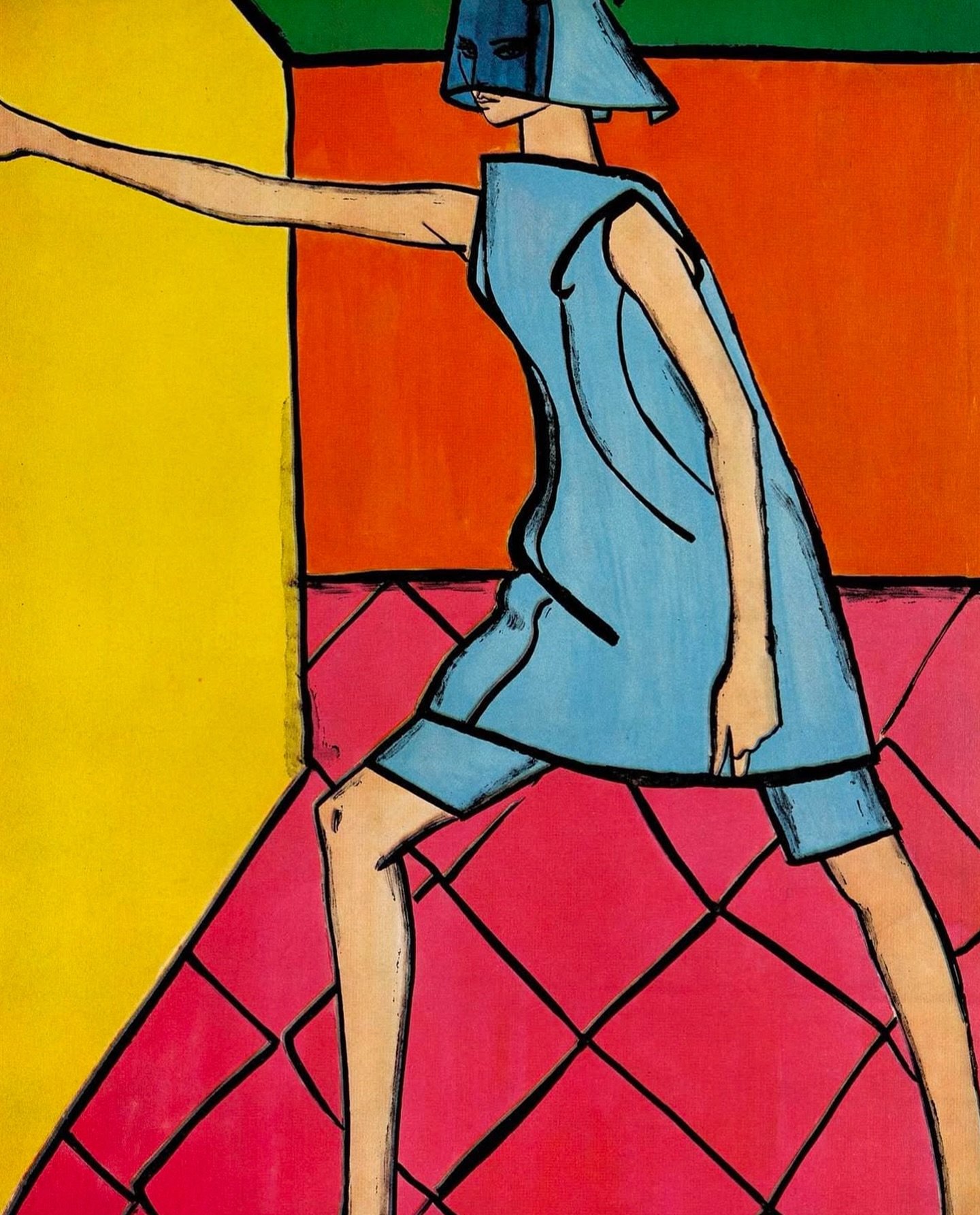
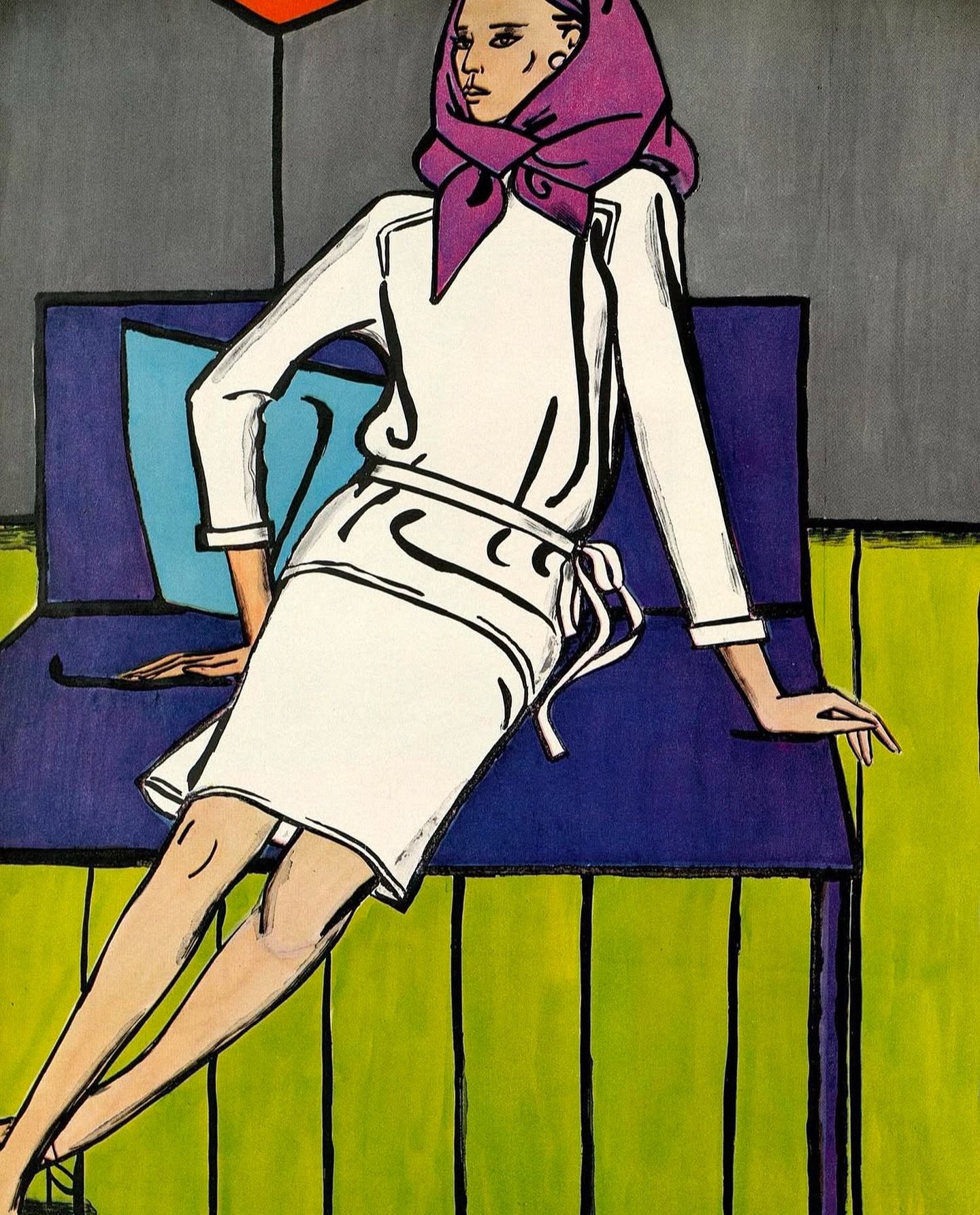
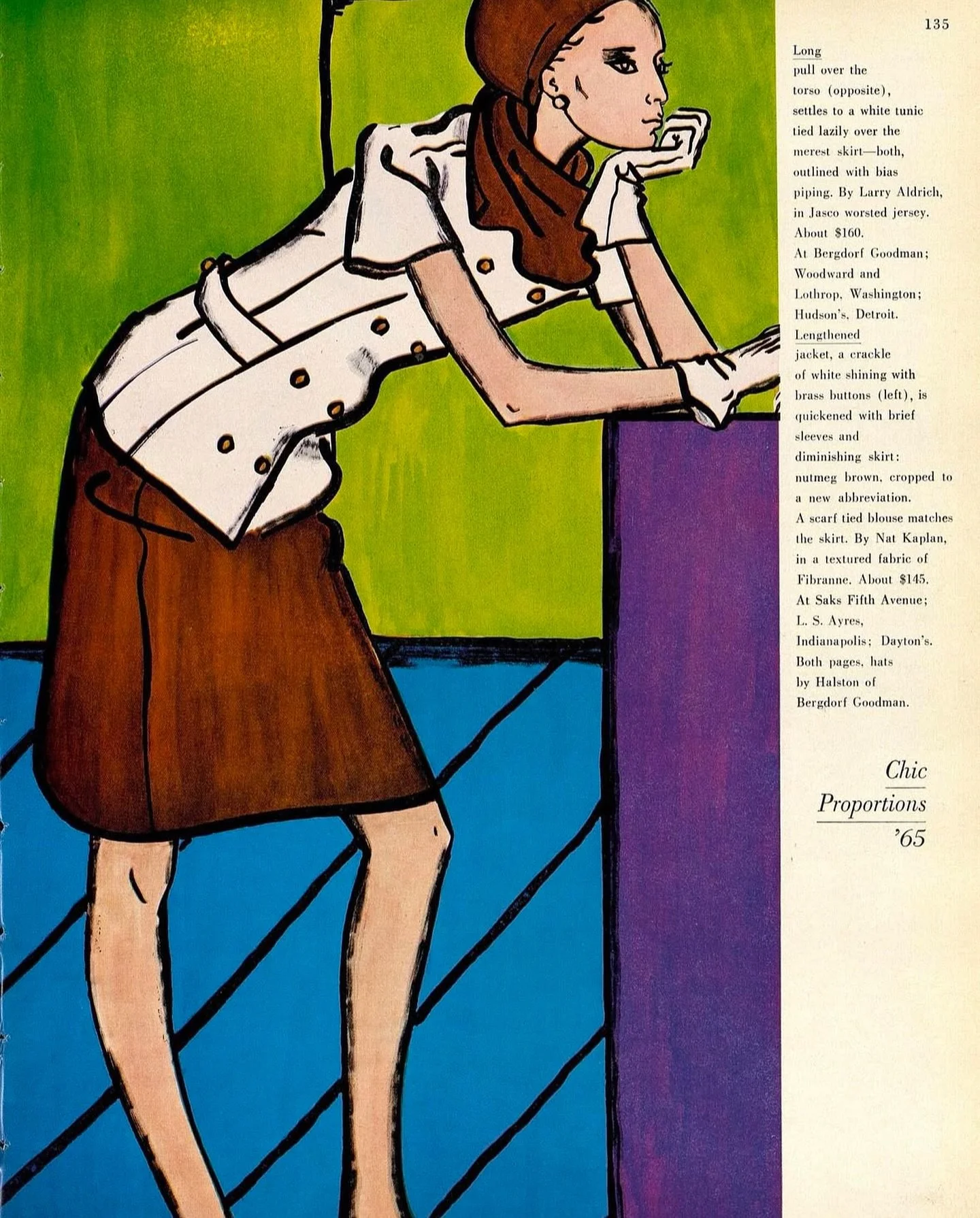
Representation is not just about visibility, but how visibility is created.
Over the following decades, BIPoC models became increasingly visible within fashion.
Yet natural multi-textured hair remained far less present. Even iconic moments featuring Beverly Johnson, Naomi Campbell or the 2008 Vogue Italia Black Issue largely presented Black models with straightened hair, wigs, extensions or concealed textures.
Reimagining the Image
This became the starting point for my own series: How would a moment of visibility have looked like?
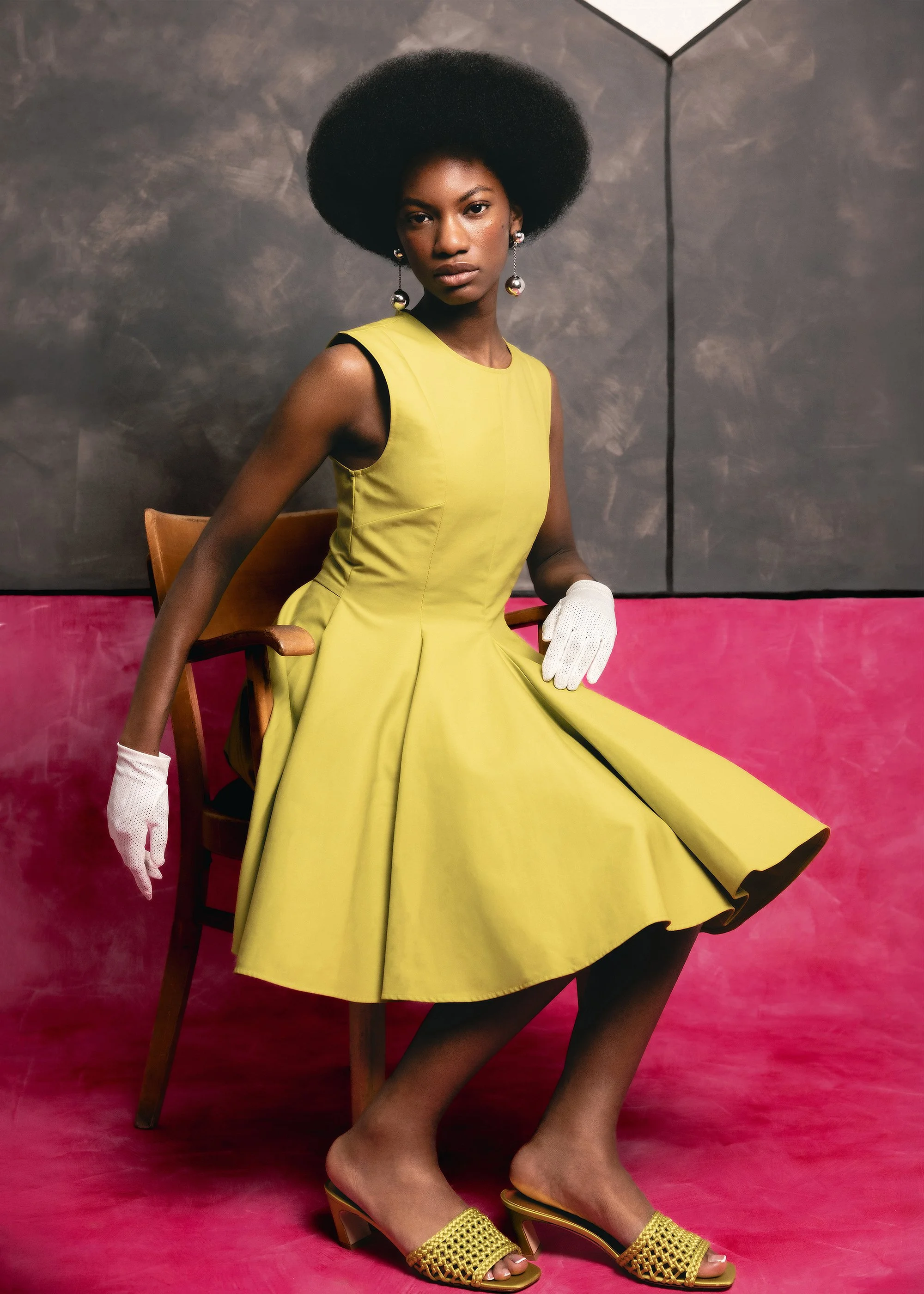
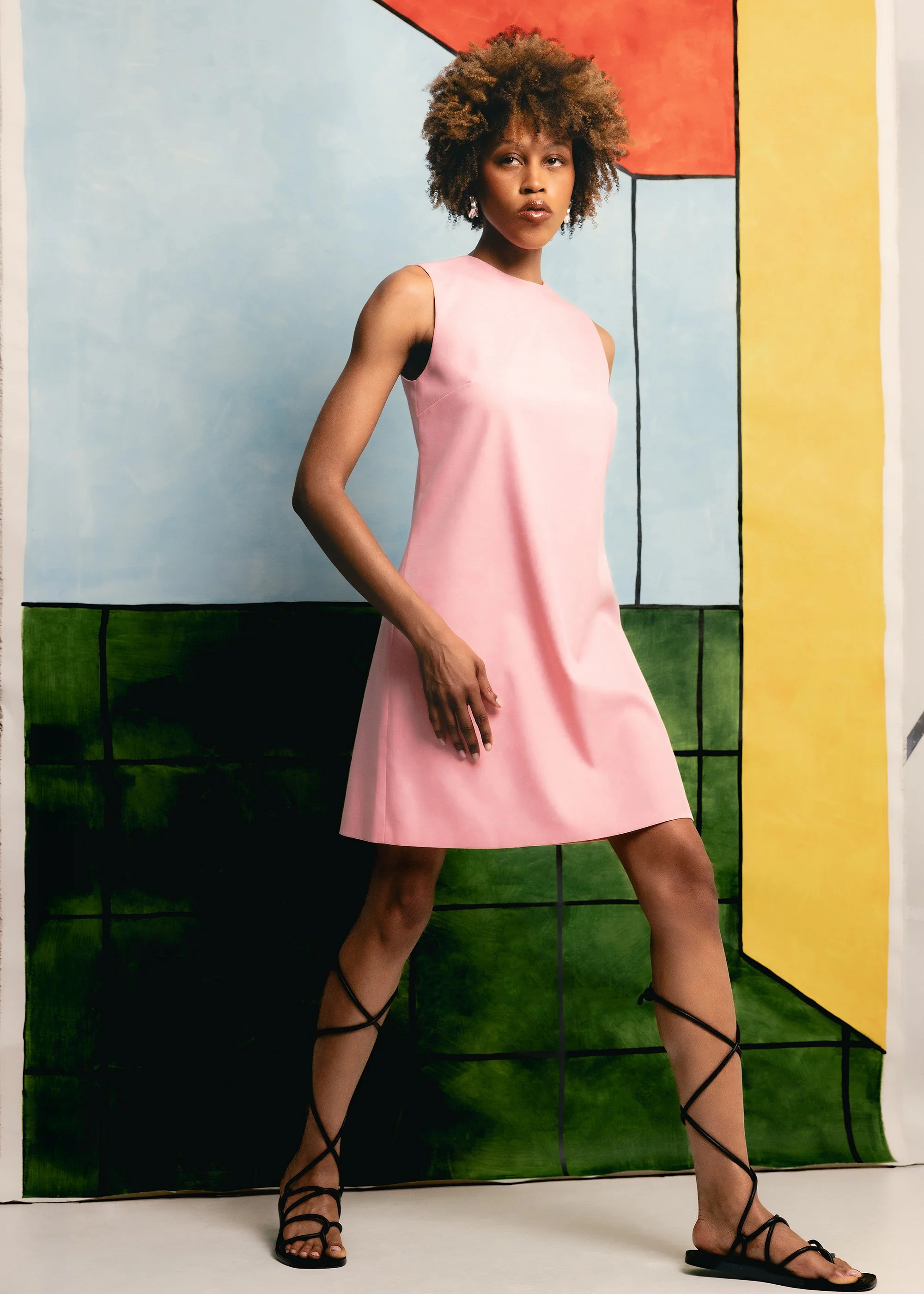
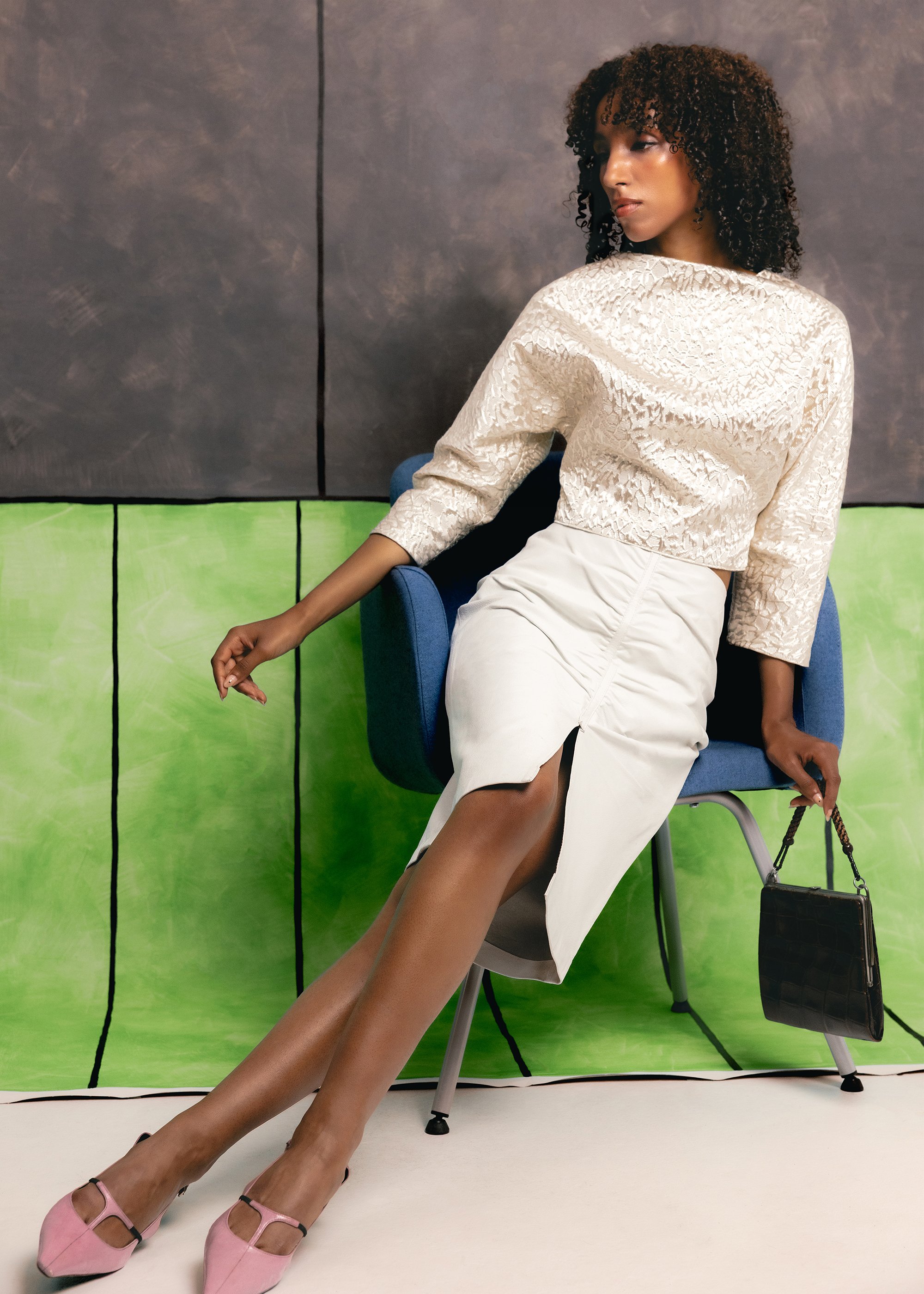
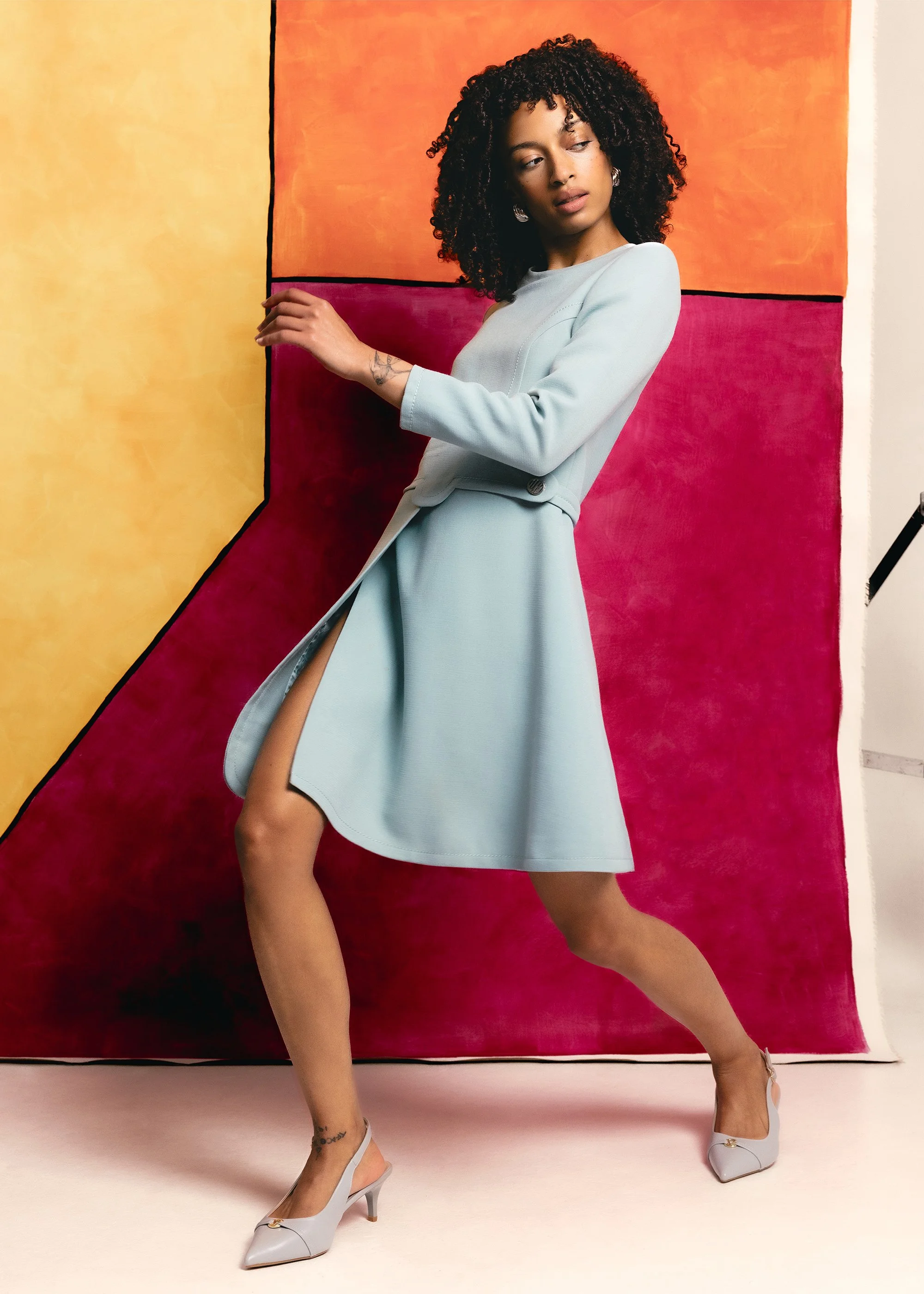
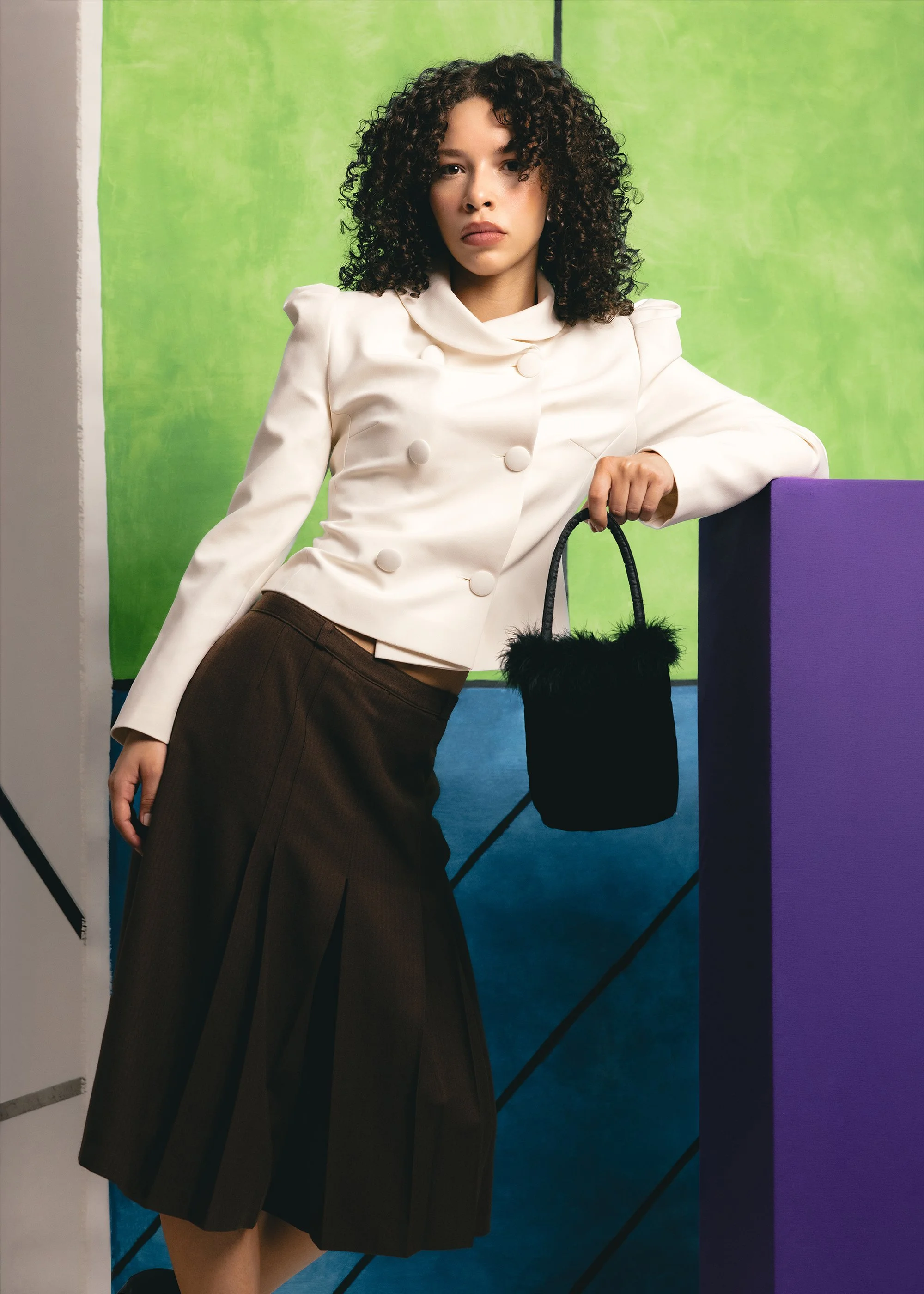
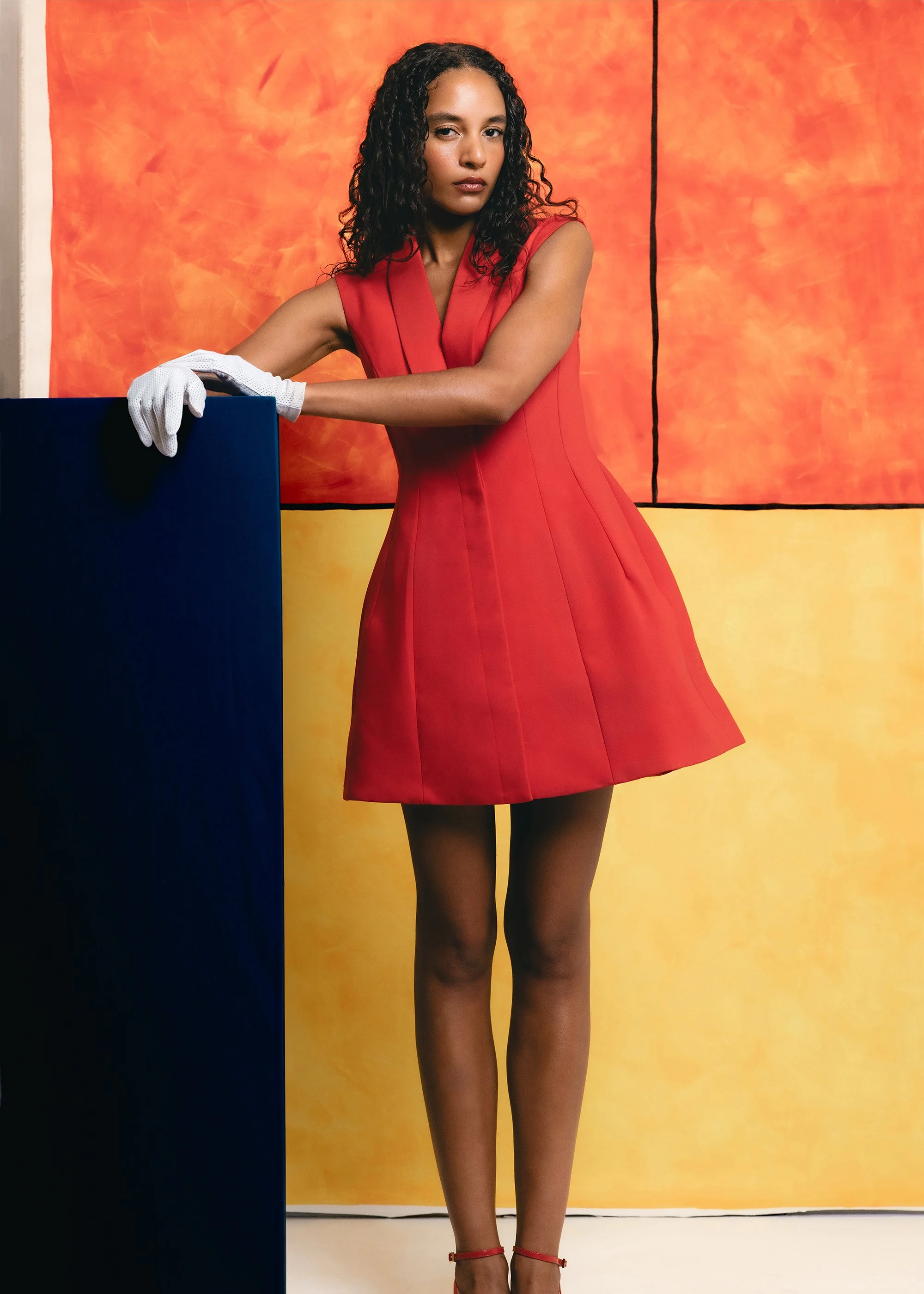
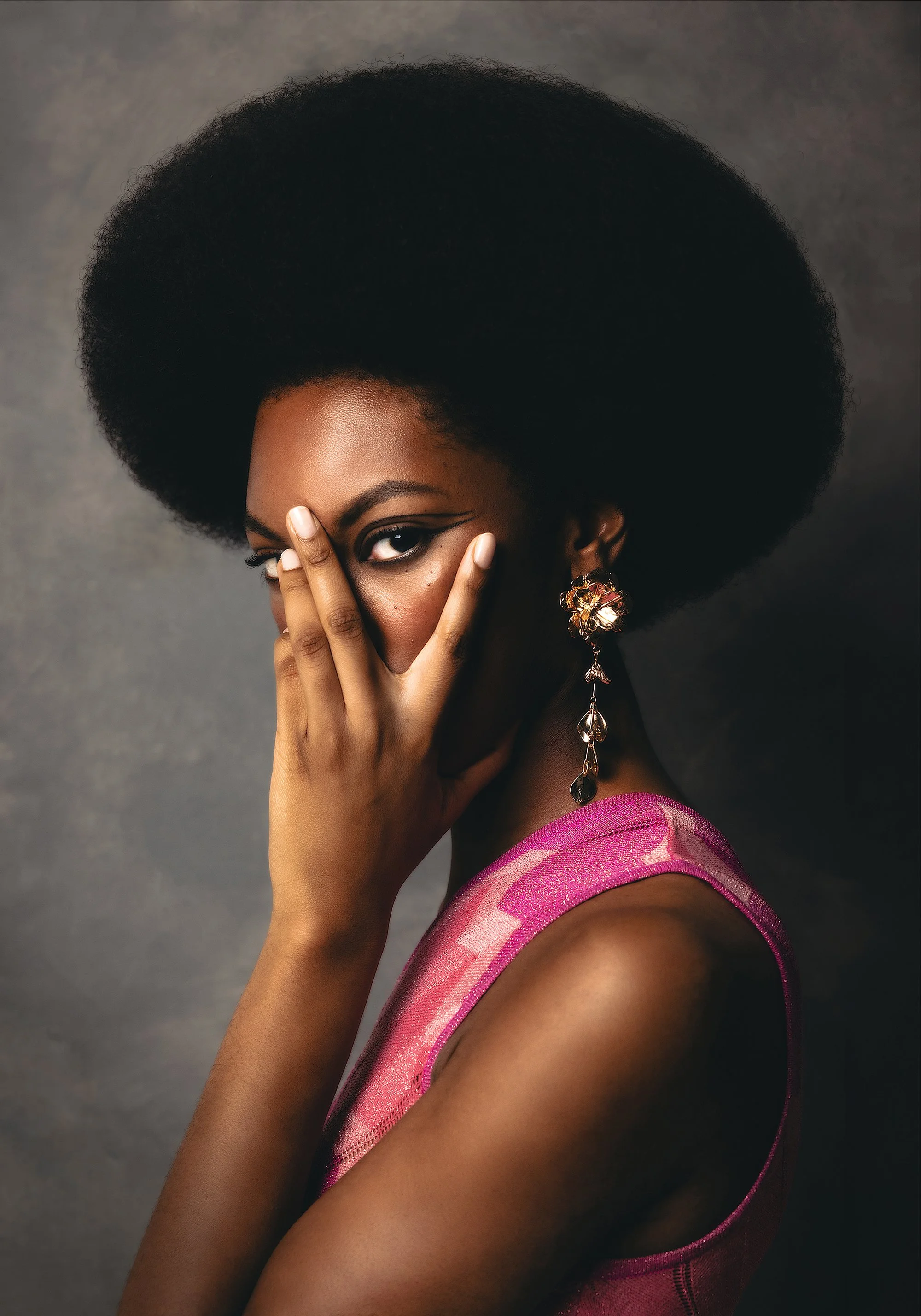
Inspired by the 1965 fashion illustrations of Donyale Luna, Crown translates historical references into contemporary photographs. At the same time, the series connects past and present, asking not only who is represented today, but which aspects of identity still remain unseen.
Six models represent six different hair textures from 3A to 4C. Their natural curl and coil patterns remain unchanged and become an integral part of each image.
Beyond Fashion
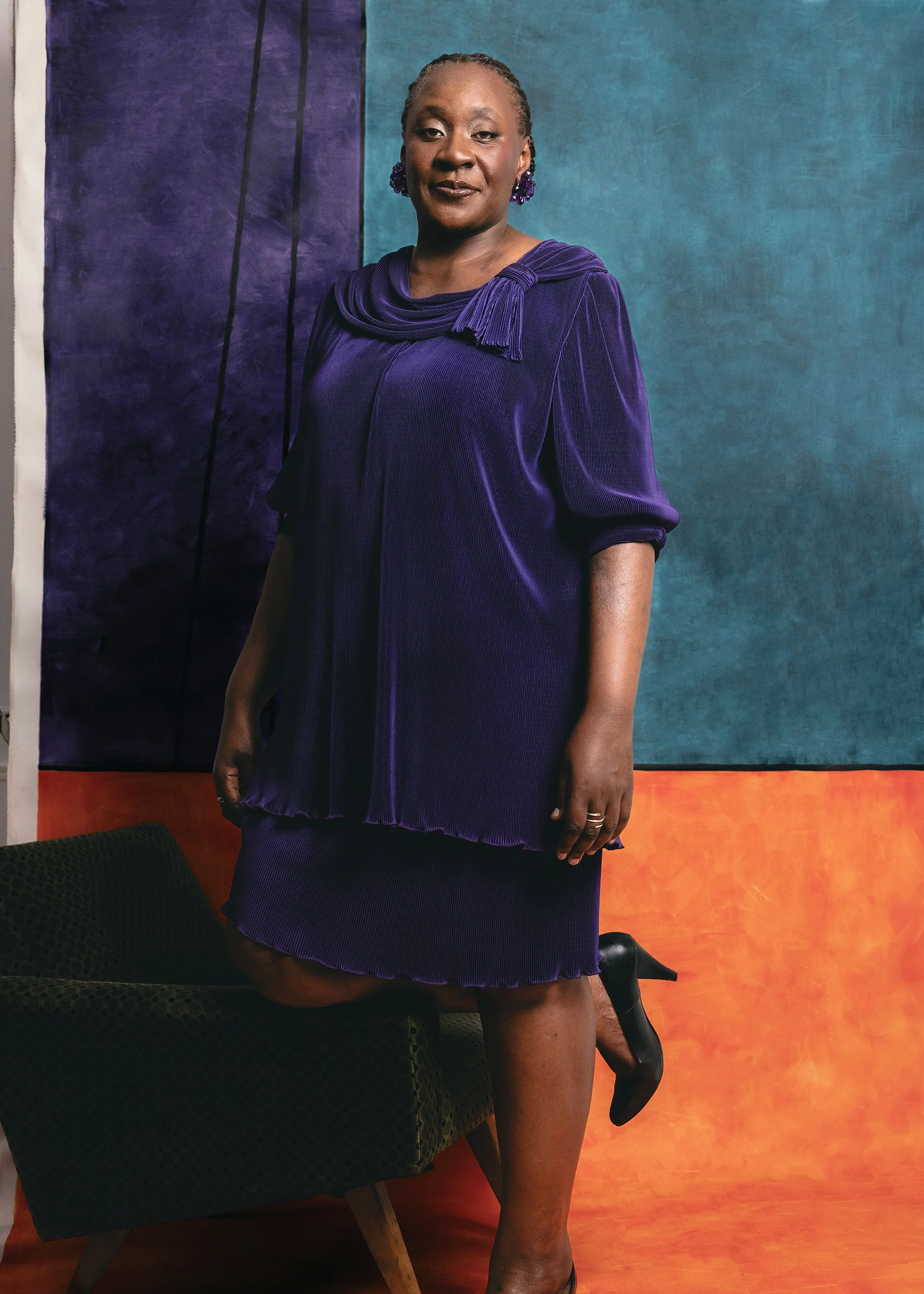
The seventh portrait introduces a documentary perspective through Prof. Dr. Maisha M. Auma, whose academic work engages with racism, representation and inequality within educational and social structures.
Her portrait connects the constructed world of fashion imagery with the social realities behind questions of visibility.
An Icon Reimagined
The series also revisits Donyale Luna’s iconic 1966 British Vogue cover.
The recognizable pose remains, but one element fundamentally changes: natural hair is given space. Instead of being cropped or smoothed back, a full Afro becomes an equal part of the composition.
CROWN
Hair is never just hair.
It carries histories, identities and experiences. Crown does not attempt to rewrite fashion history, but to expand its visual vocabulary by including natural hair textures and presenting them as a natural and self-evident part of fashion imagery.
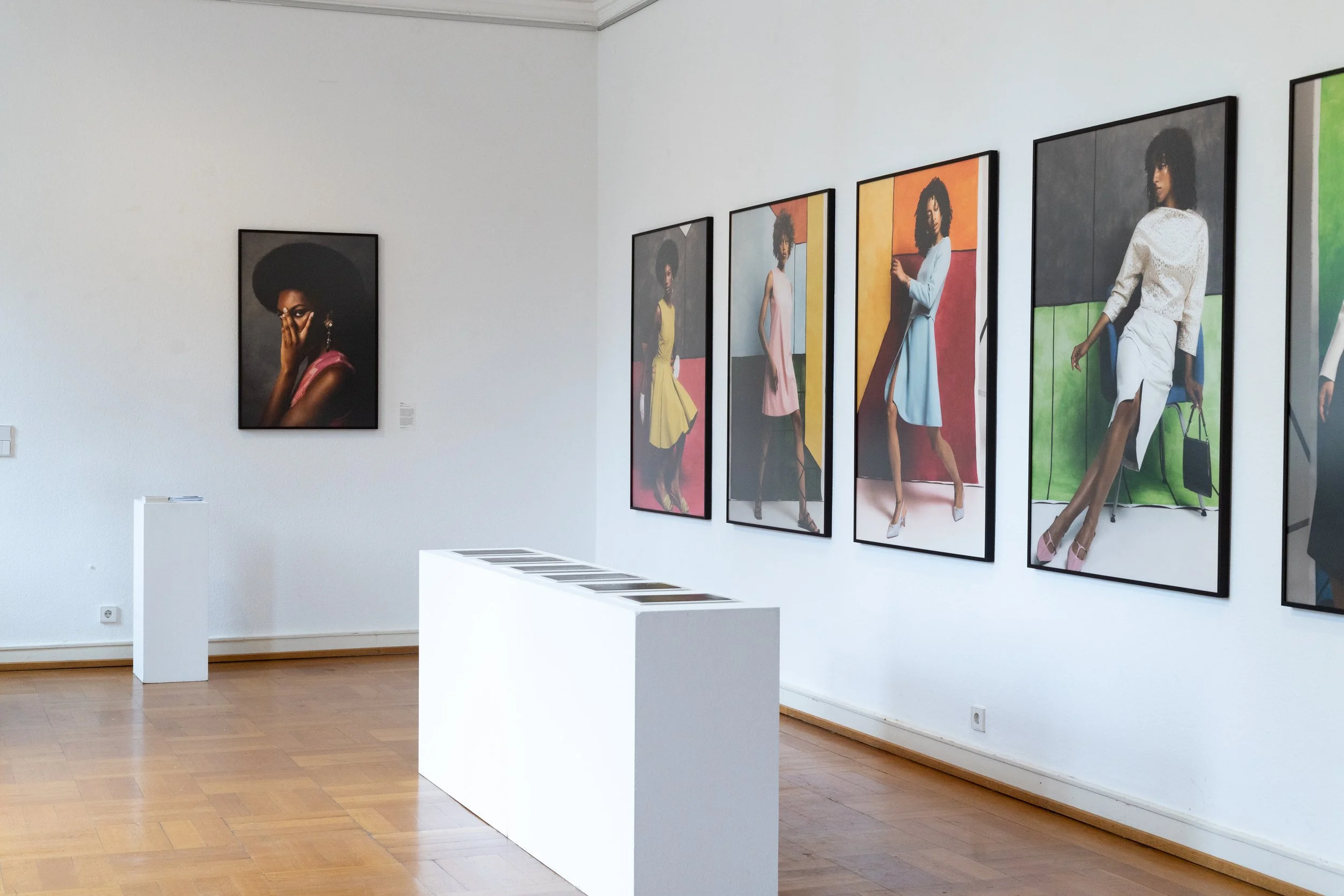
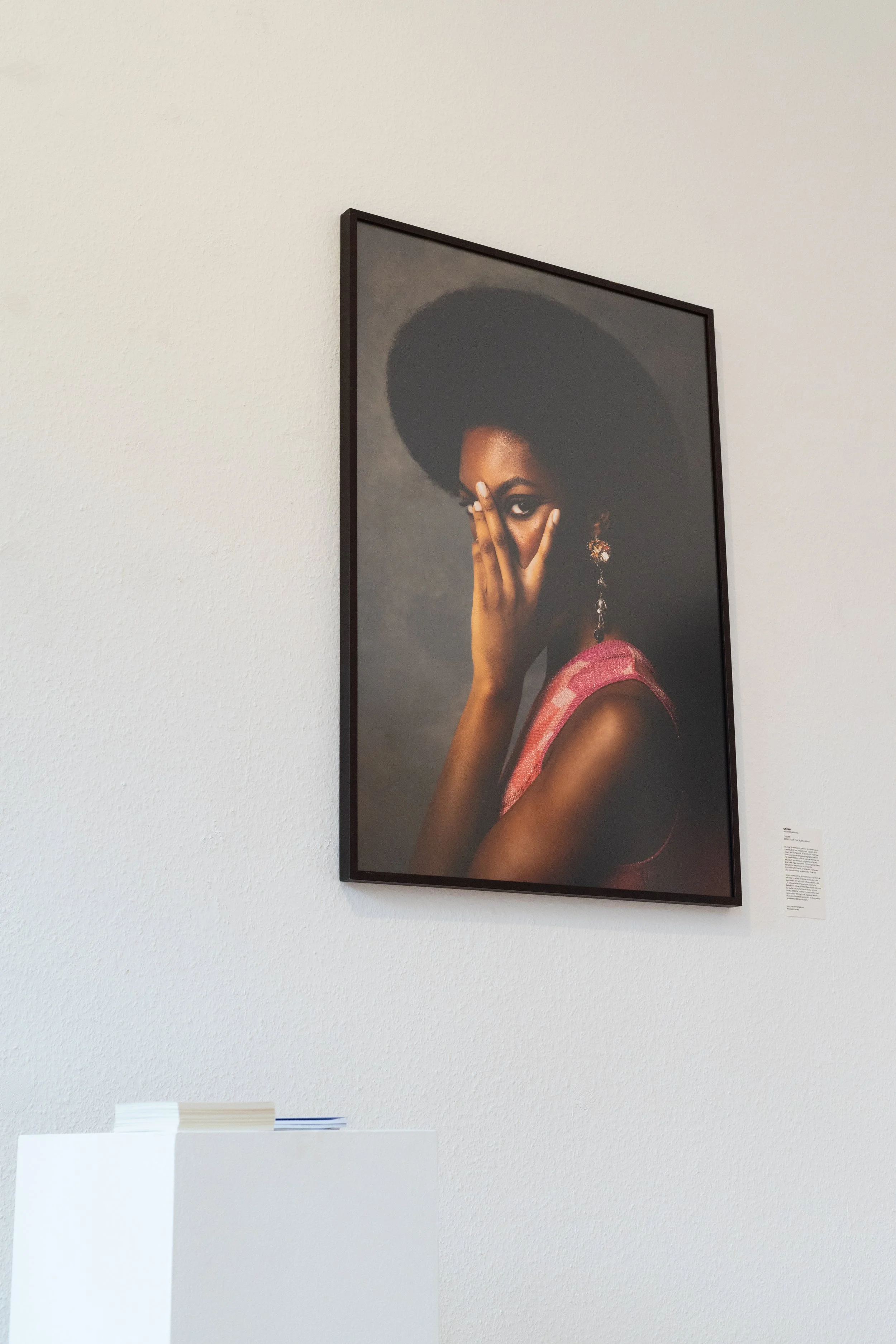
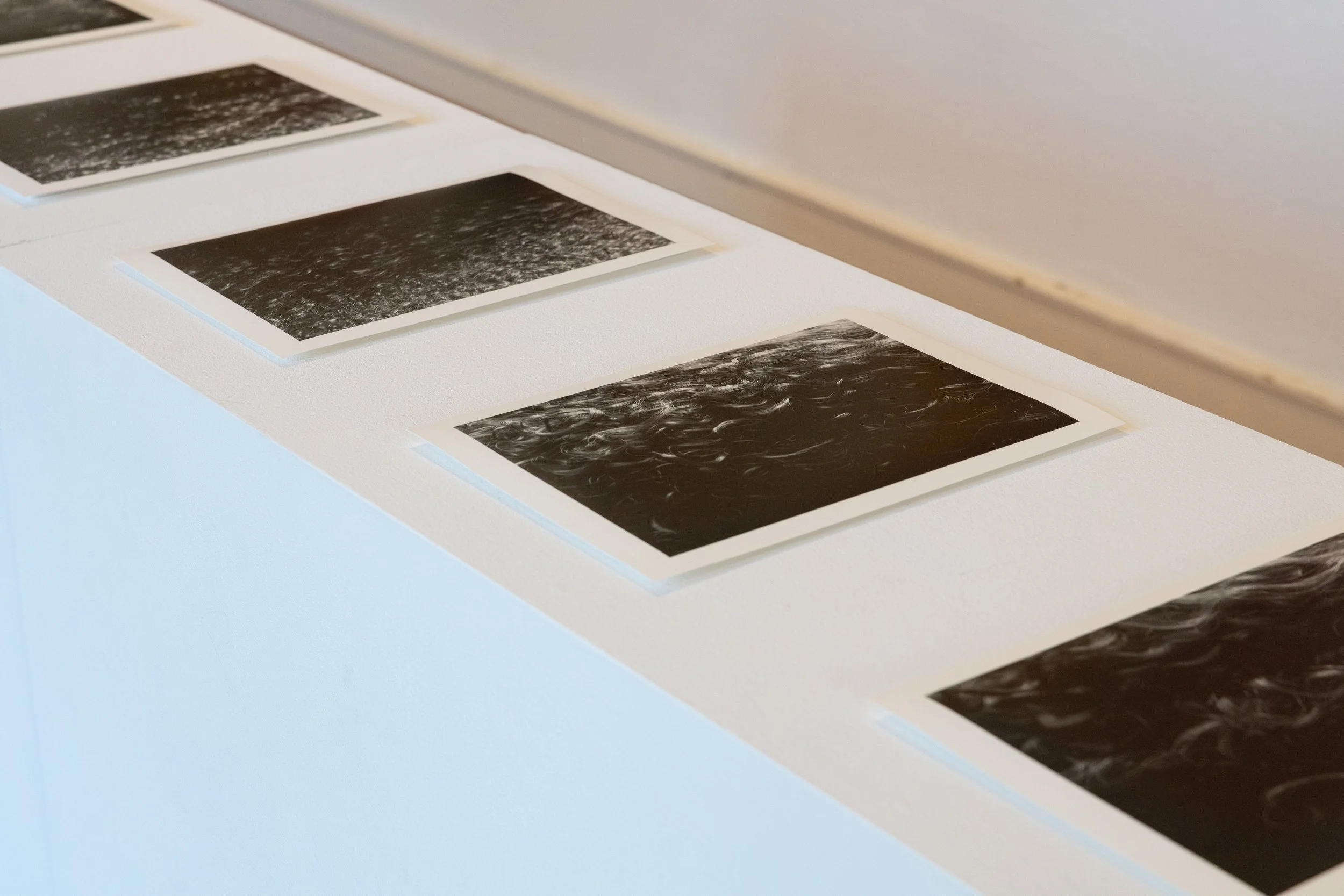
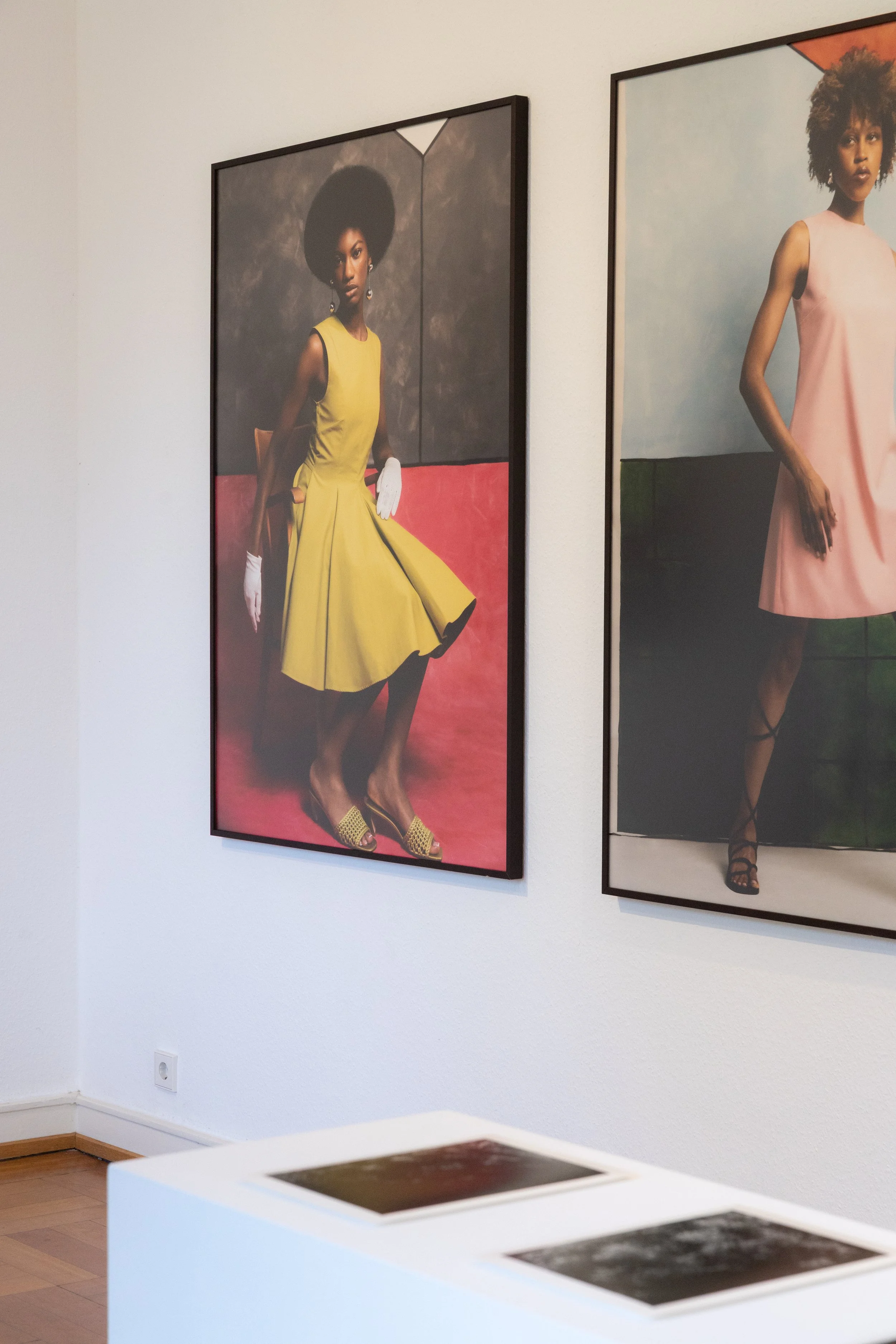
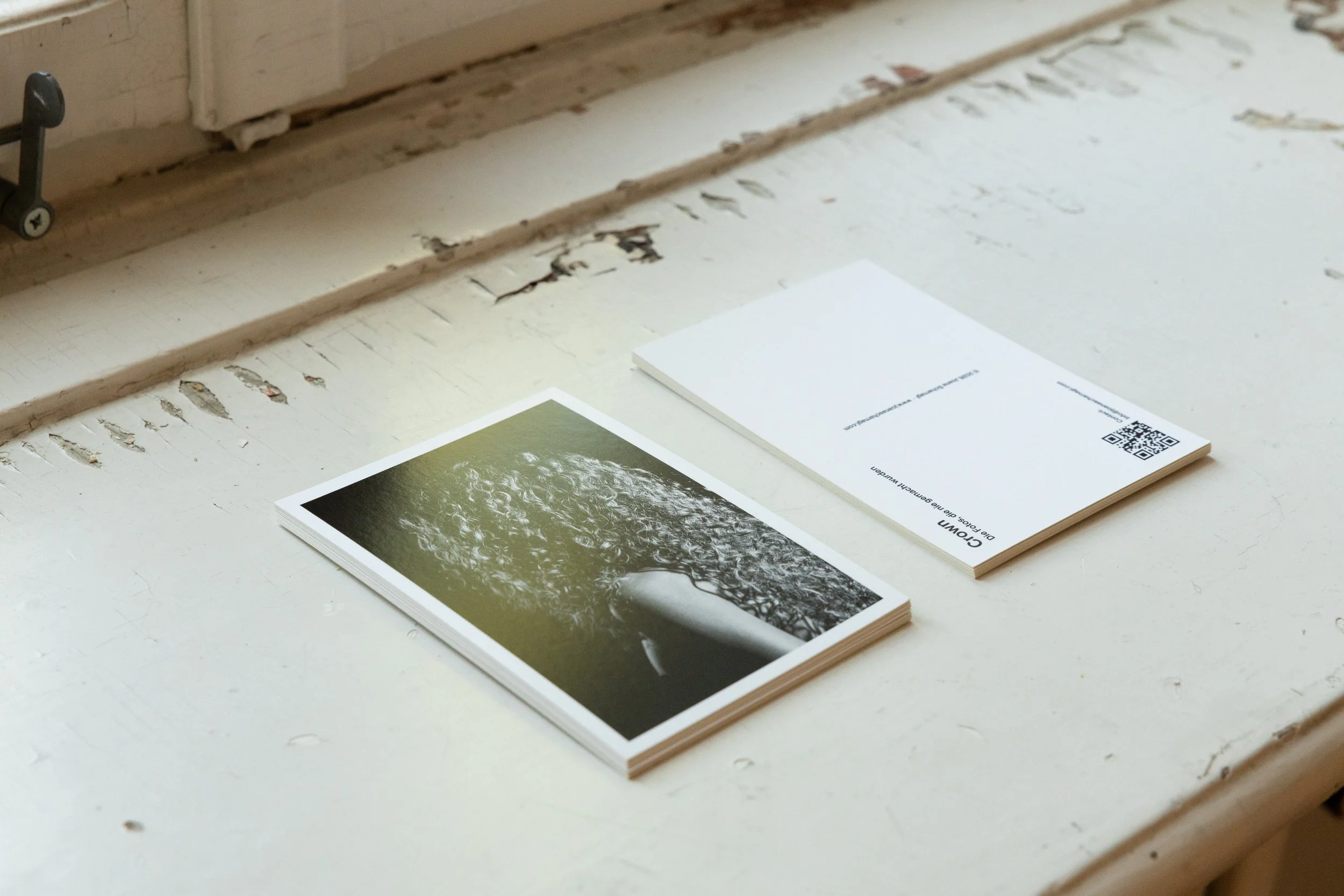
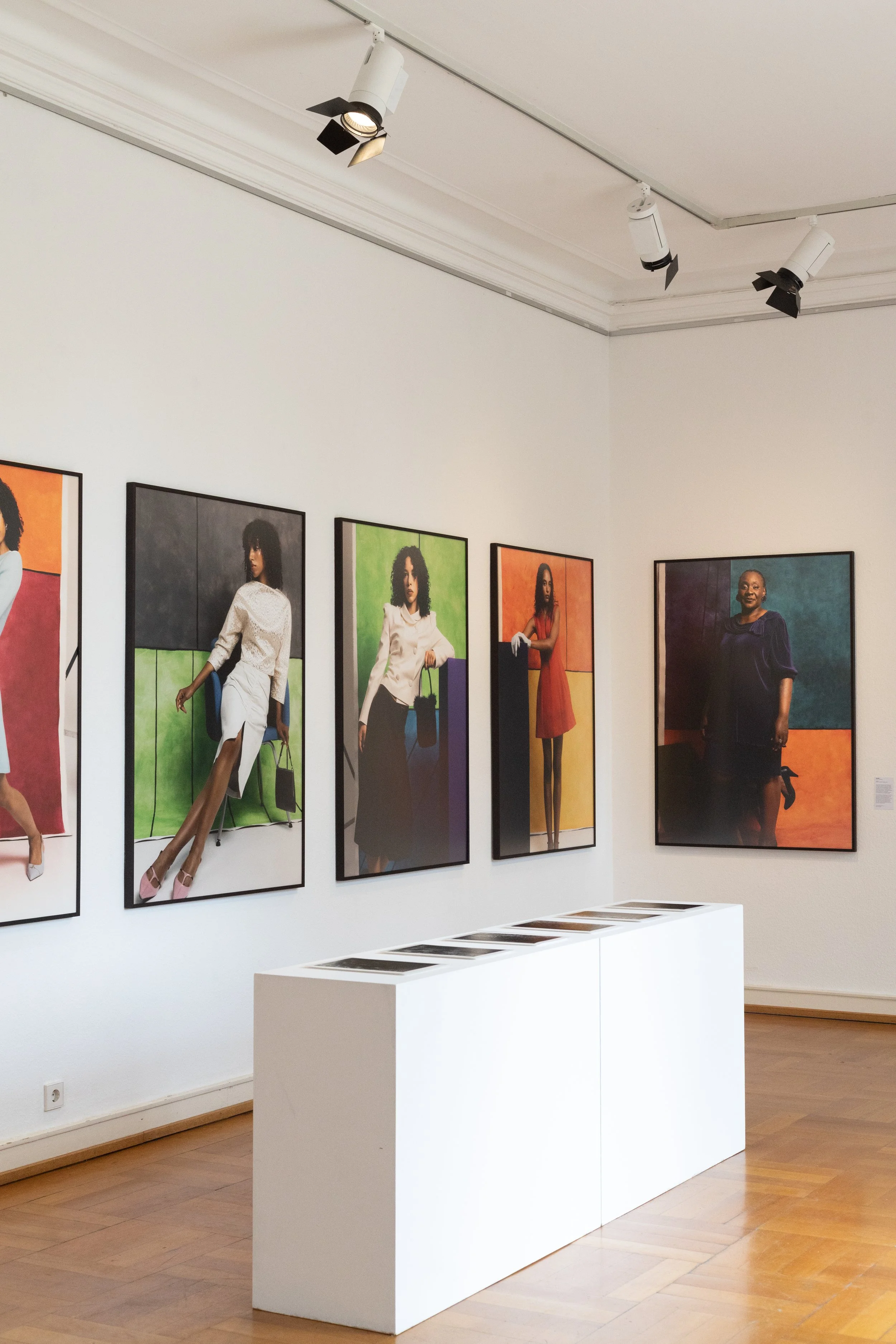
Ausstellung im Designhaus Hessen, Juli 2026.Mitwirkende
Production: Sina Harina · Fashion Styling: Linda Karok · Set Design: Diellëza Zogaj · Hair Styling:
Zina Anssumane, Béanne Da Costa, Riem Elhadj Ahmed Mukhtar · Hair & Makeup: Jasmin Oliveira · Makeup: Valérie Fettig · Photography Assistant: Niels Lucke · Production Assistant: Camila Suárez · Models: Prof. Dr. Maisha M. Auma, Amani Hadri, Jazz Ameinah, Linda Demsas, Meron Assefa, Percio
de Jesus Pinto, Selen-Lisa Eden, Sofia Ajiou, Thays Siqueira Fabiano, Bianca Delaluna at East West Models, Grace Epolo at Tigers Management, Salem Aida at Izaio Management, Shakira Wagner Concepción at Modelwerk, Trace Bristol at Vida Models
Special Thanks: The Makeup Council Germany – Irina Tübbecke